English

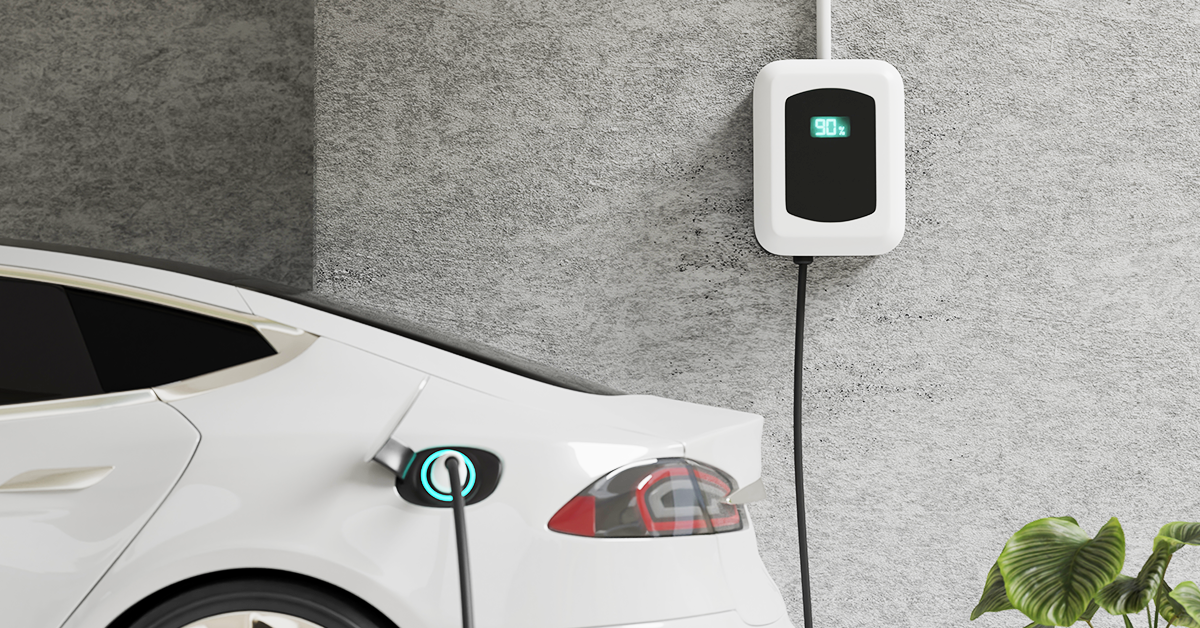
Flex PCBs in EV Battery Packs and Charging Systems: Long Flex Circuits, Nickel Tabs, and Reliable Interconnect Design
Flex PCBs in EV Batteries and Charging Systems: Long Flex Circuits, Nickel Tabs, and Reliable Interc...

Flex PCBs in EV Batteries and Charging Systems: Long Flex Circuits, Nickel Tabs, and Reliable Interc...

The future of intelligent electronics is becoming smaller, faster, smarter, and more connected — and...
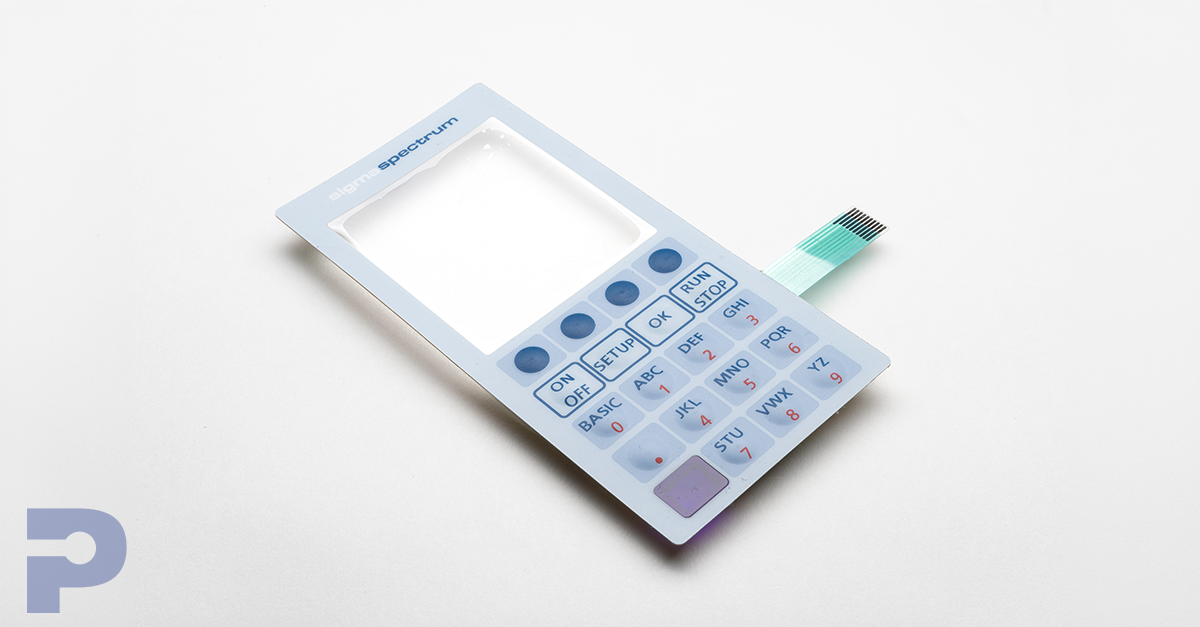
Introduction When you press the buttons on a medical device, industrial controller, or appliance, th...
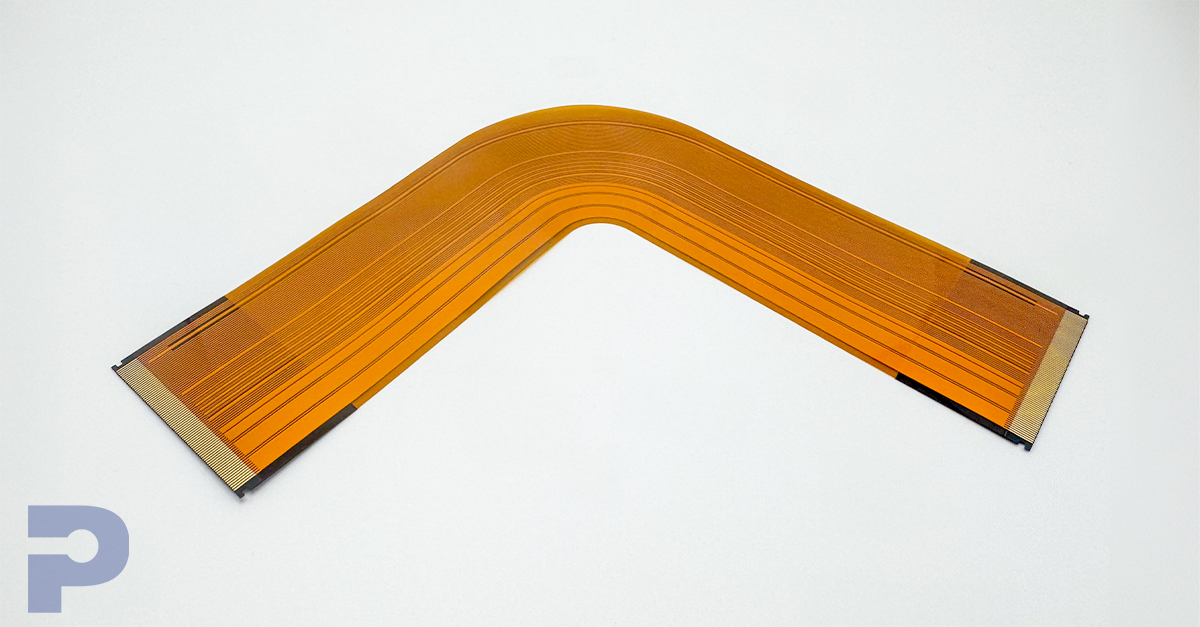
Dynamic flex PCBs are where flexible circuit design stops being “just about fitting in tight spaces”...

SATELLITE 2026 brought the global satellite, space, defense, and communications industries to Washin...
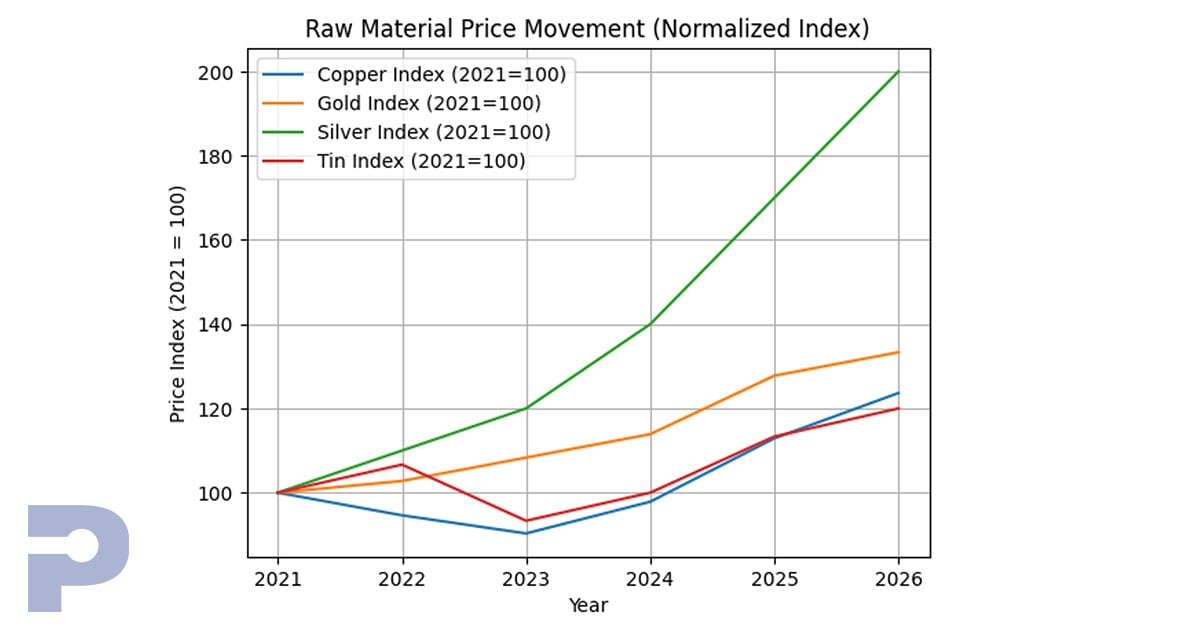
Why Electronics Manufacturing Costs Are Rising in 2026 Electronics manufacturing is heading into 202...
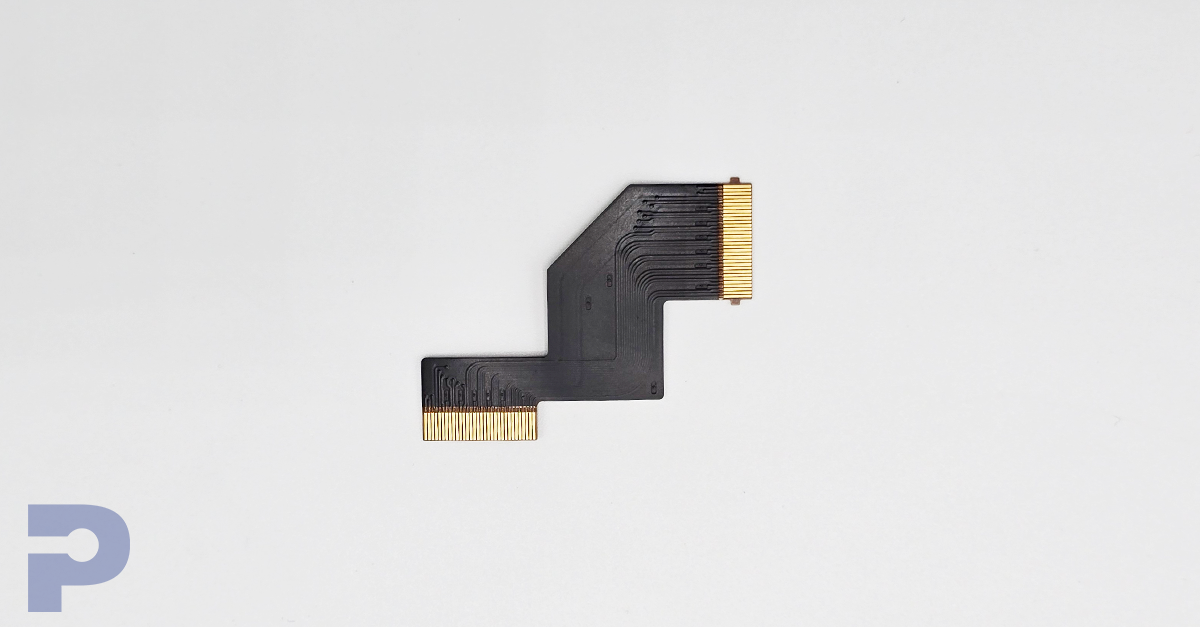
Electromagnetic interference (EMI) and radio frequency interference (RFI) can disrupt signal quality...
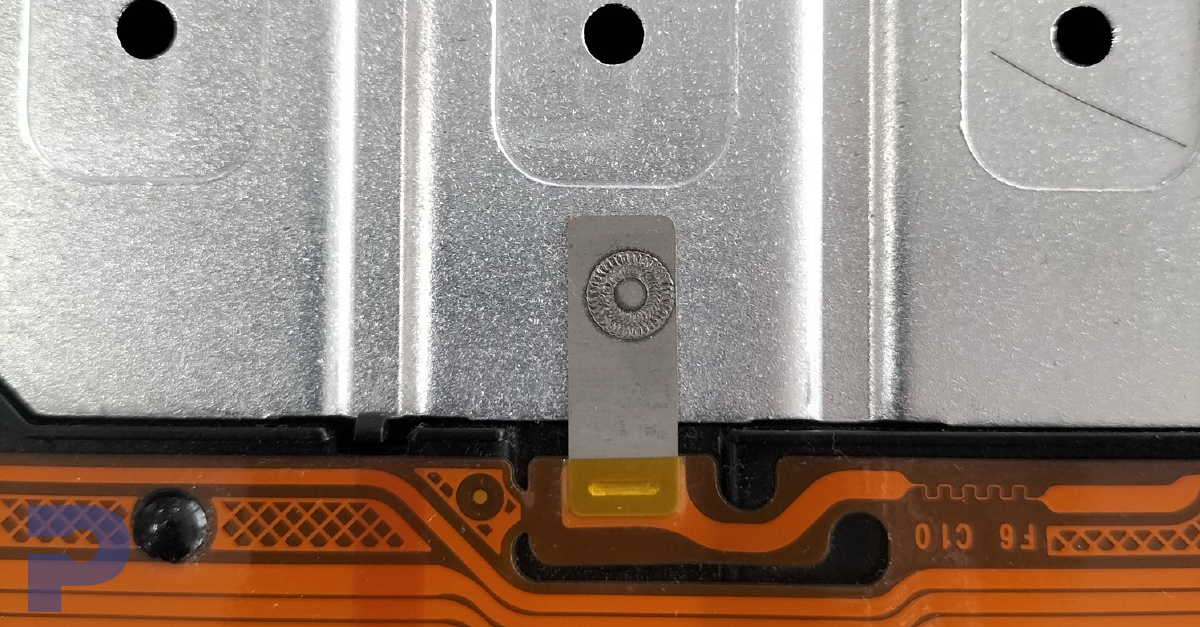
Flexible circuits are often chosen for their ability to route signals through tight spaces while tol...

A practical step-by-step method for choosing materials that hold up in bending, assembly, and real e...
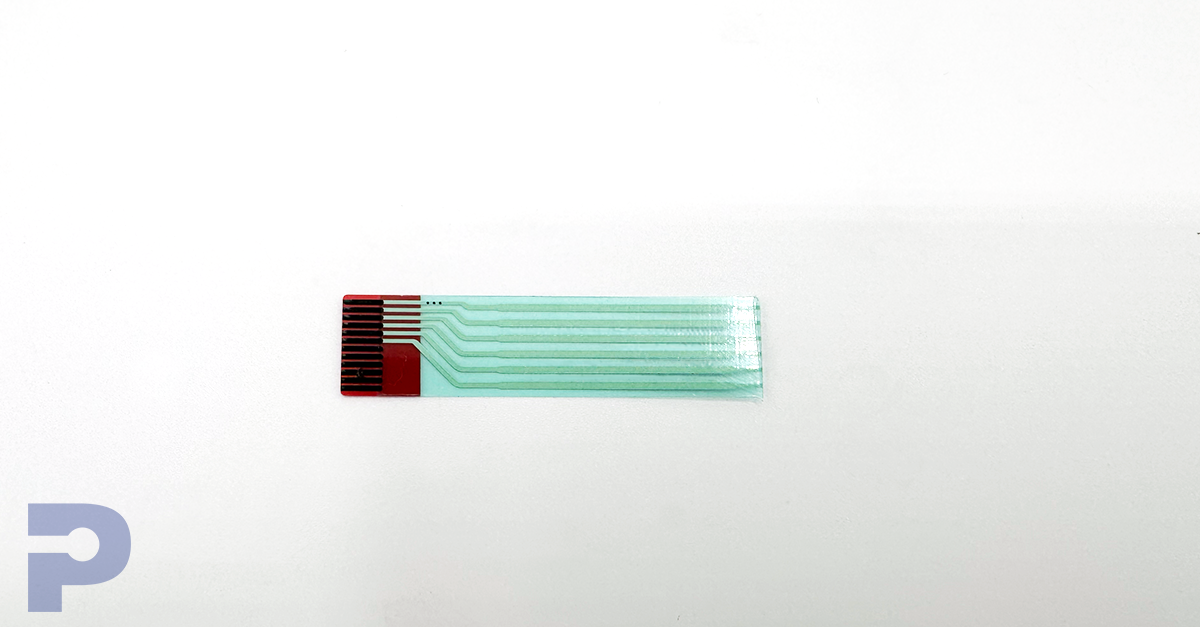
Copper has been the backbone of flexible printed circuits (FPCs) for decades, and for good reasons. ...
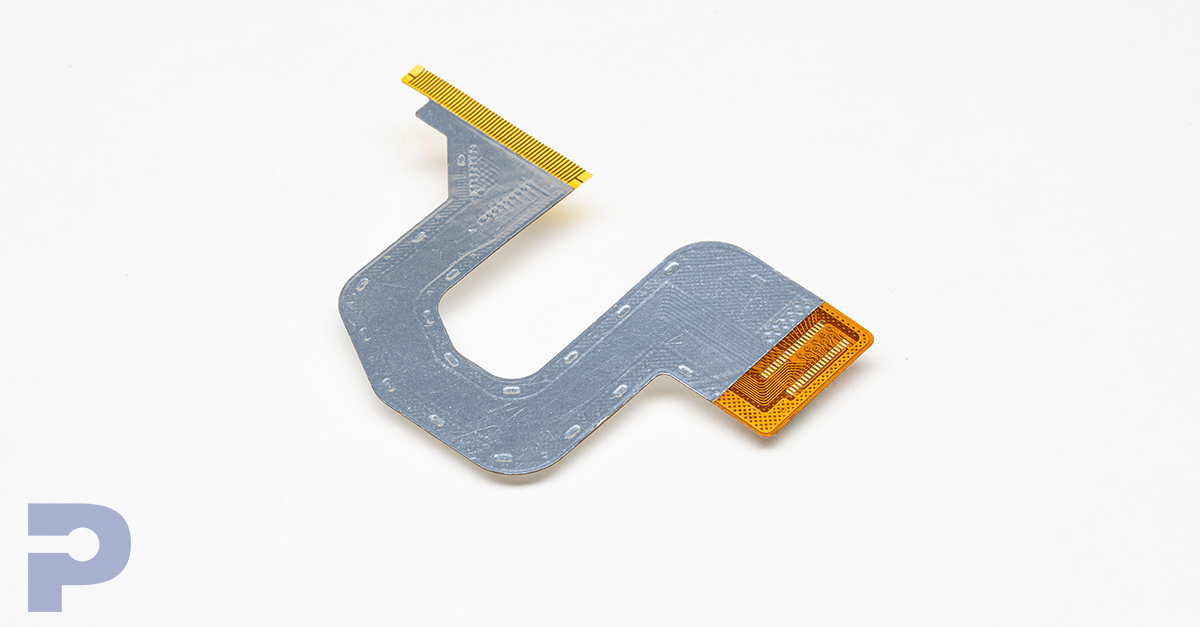
Stiffener, EMI Shielding, Release liners, spacers, marking inks, thermally conductive adhesive films...
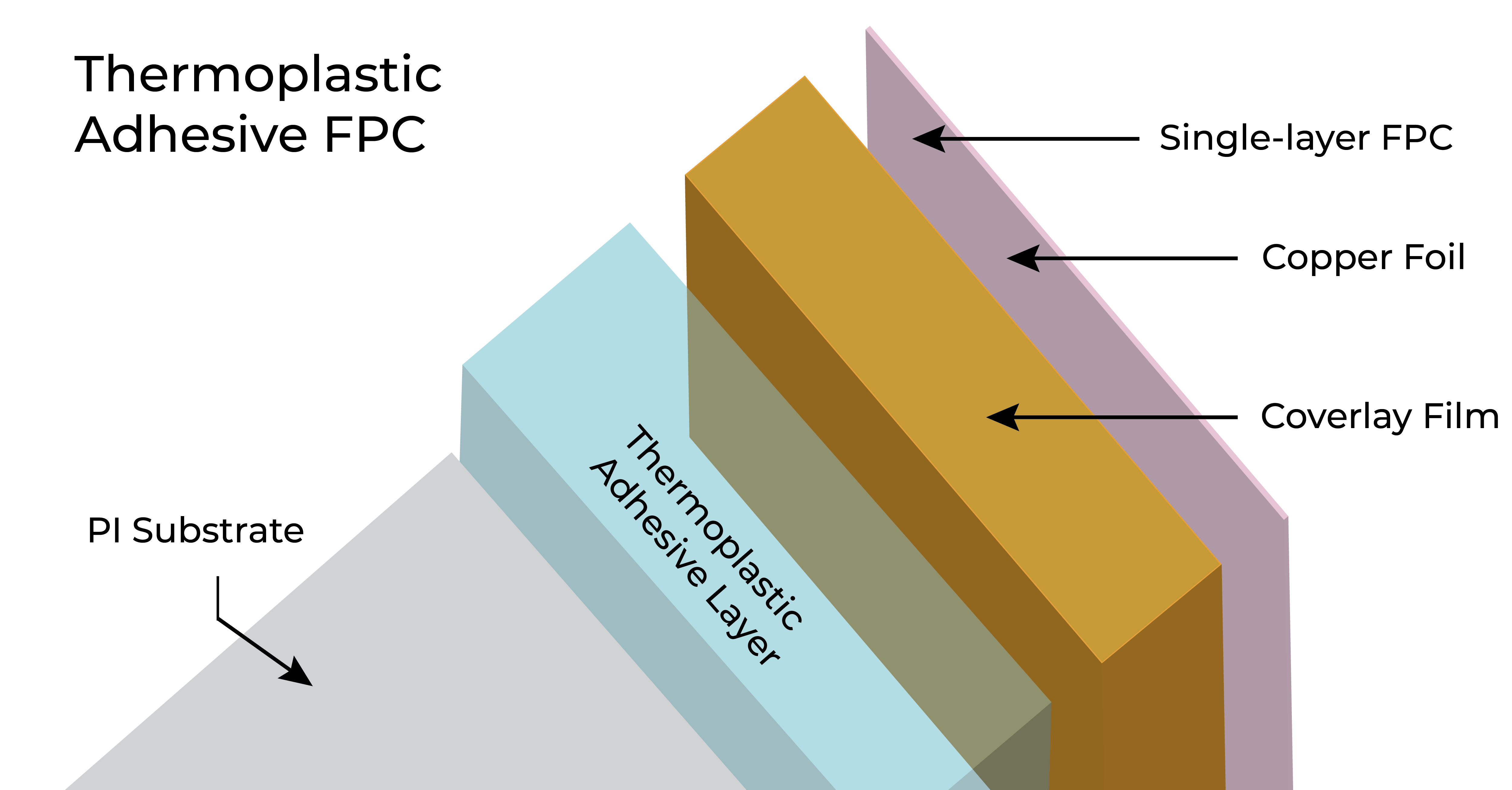
Thermoplastic vs thermoset adhesives, adhesiveless constructions, and the process factors that drive...
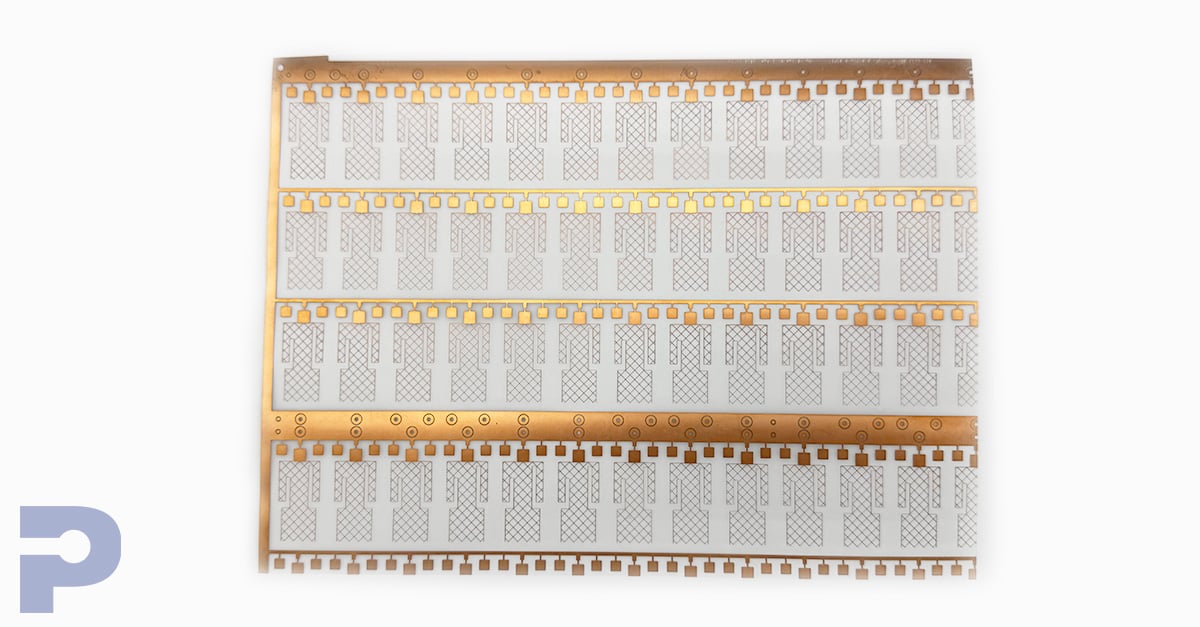
PET vs PEN, LCP, PTFE/fluoropolymers, and specialty films like PEI/PEEK: when each wins, where each ...

MD&M West 2026 in Anaheim brought together medtech, automation, design/manufacturing, plastics, ...

Tariffs have played a role in the U.S. economy since the nation’s founding. In the early days of the...

Las Vegas, January 2026, CES 2026 once again confirmed that the pace of innovation in consumer tech,...

PCB design for medical electronics demands more than just electrical functionality. Devices must mee...


In product development, timing is everything. But too often, the flexible circuit comes late in the ...