 English

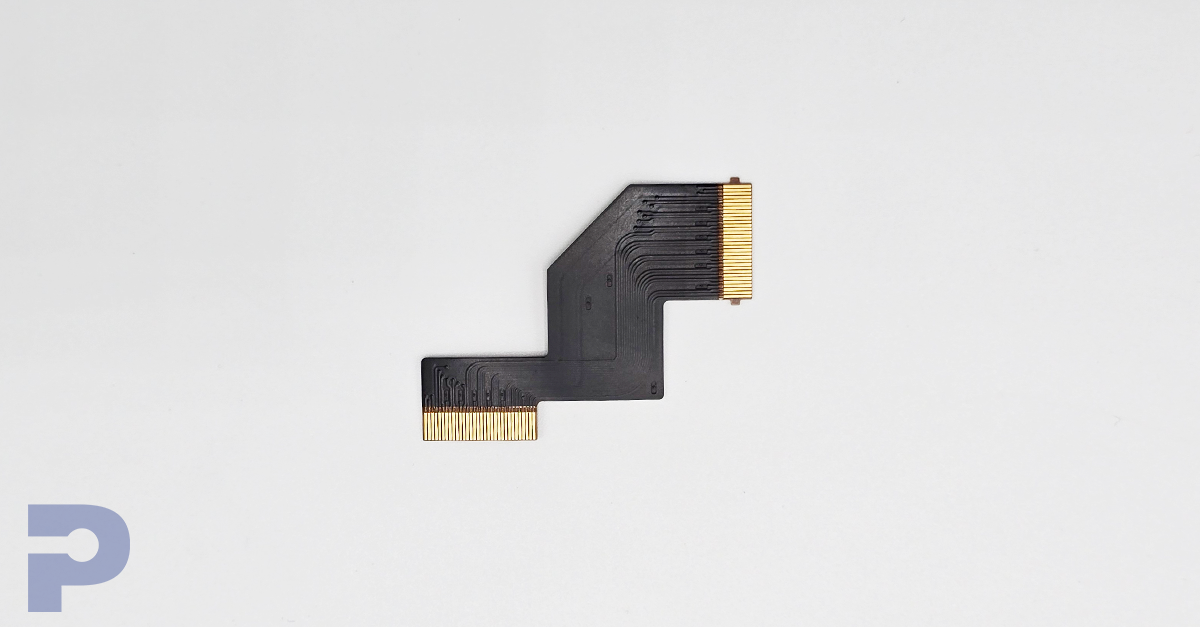
Electromagnetic interference (EMI) and radio frequency interference (RFI) can disrupt signal quality, create data errors, and reduce overall circuit reliability. As electronics become smaller, faster, and more densely packaged, shielding has become an increasingly important part of flex PCB design. This is especially true in products that combine high-speed signals, compact enclosures, wireless functions, sensors, and sensitive analog or mixed-signal circuitry.
Flex PCBs present a unique challenge because shielding must be added without eliminating the mechanical advantages that make flexible circuits valuable in the first place. A successful design must balance electrical performance, bend requirements, thickness, weight, manufacturability, and cost. The best shielding approach is rarely one-size-fits-all. It depends on how the circuit will be used, where the noise is coming from, how much flexibility is required, and what level of performance the application demands.
Why shielding matters in flex PCB design
In a flex PCB, interference can come from nearby components, switching power electronics, antennas, motors, cables, or external sources in the operating environment. Without proper shielding, designers may see cross-talk, degraded signal integrity, unstable sensor output, or inconsistent system behavior. Shielding helps create a more controlled electrical environment so the circuit can perform reliably under real-world conditions.
Shielding is often most important when a design includes high-speed digital lines, sensitive analog traces, RF sections, compact package spacing, or strict EMC requirements. It can also become a key design feature in products where electronics are routed through moving hinges, folded assemblies, or tight enclosures where spacing between conductors and noise sources is limited.
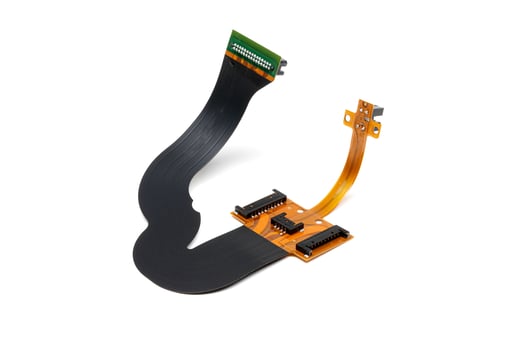
Common shielding options for flex PCBs
Copper shielding layers
Grounded copper layers are one of the most robust shielding options for flex circuits. They can be built directly into the stack-up as a plane or patterned layer and are often chosen when shielding effectiveness and electrical stability are the top priorities. Copper provides strong conductivity and can support controlled impedance strategies, but it also adds thickness and stiffness. In some designs, cross-hatched copper may be used to preserve more flexibility, although shielding performance is usually reduced compared with a solid copper plane.
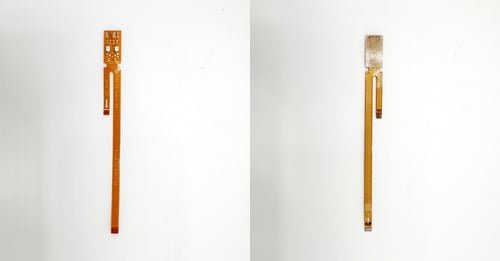
Conductive silver coatings or inks
Silver-based conductive materials can be applied where selective shielding is needed without adding a full copper layer to the circuit construction. This approach can be useful when only certain areas require protection or when the designer wants to avoid the added stiffness of additional copper. Silver coatings can support grounded shielding, but they generally do not offer the same conductivity as copper and may require careful review for impedance-sensitive designs.
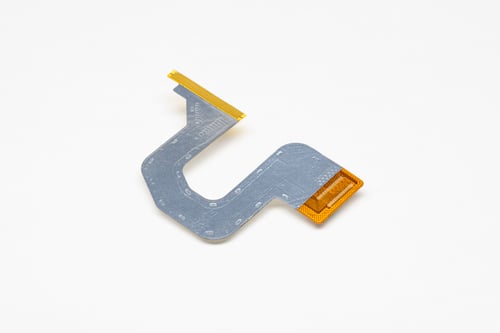
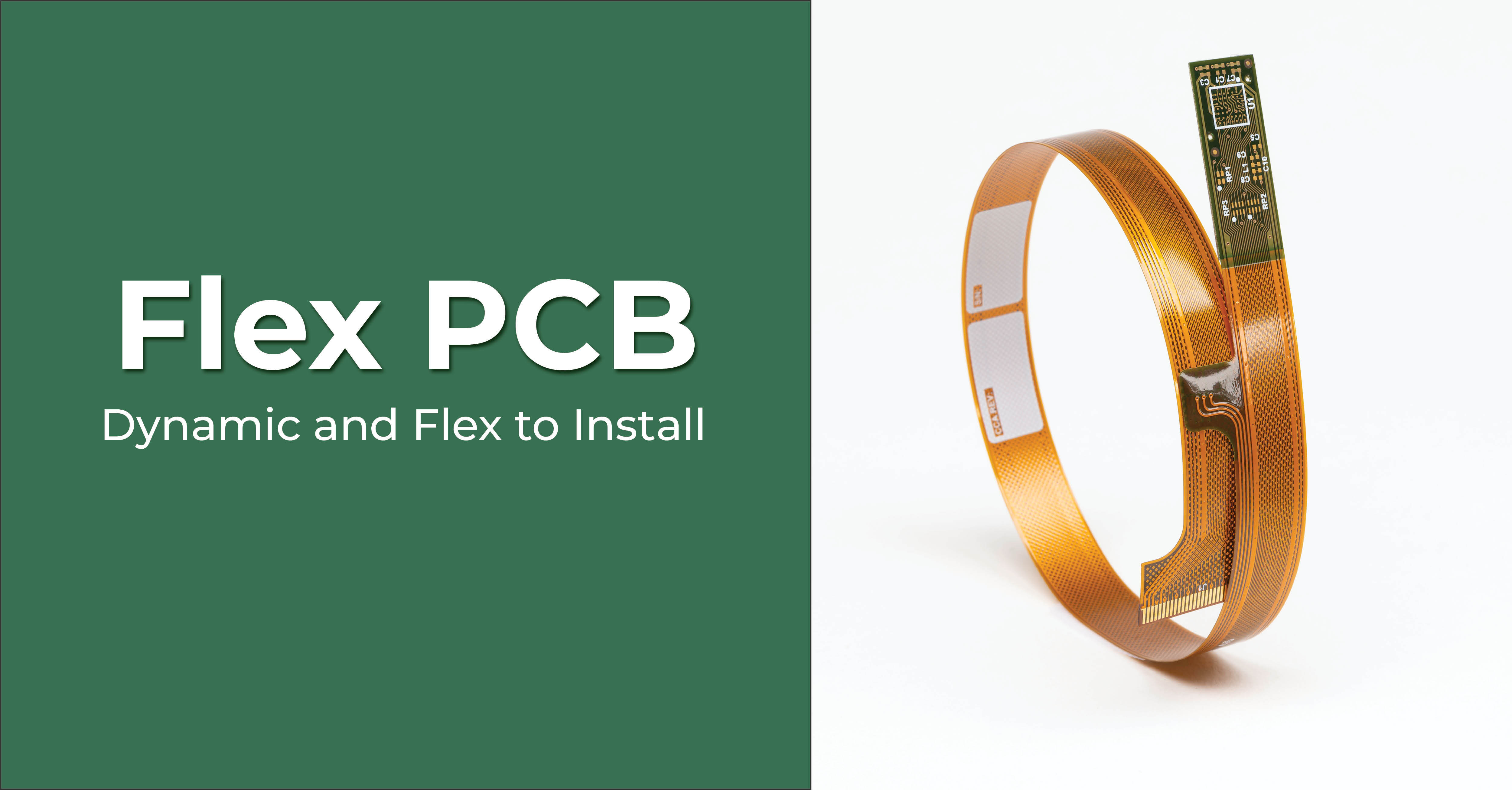
Effective EMI and RFI protection starts with the right flex circuit design, materials, and shielding strategy. Explore PICA’s flexible circuit board capabilities for reliable solutions built for demanding applications.
Shielding films and laminated foil constructions
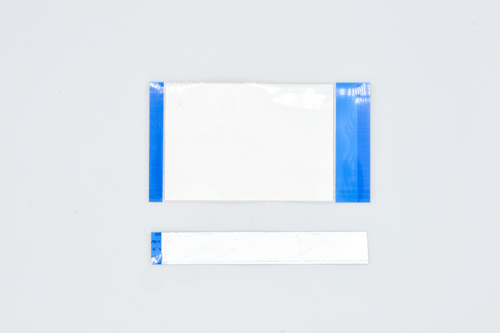
Dedicated shielding films and foil-based constructions are another option for flex PCBs that need EMI protection with minimal added bulk. These materials are often laminated over the circuit and integrated with a grounding scheme through designed contact points. Shielding films can be attractive in applications where flexibility, lighter weight, and process simplicity are important. The exact construction may vary depending on the material system, dielectric requirements, and environmental exposure.
Selective and localized shielding
Not every flex PCB needs full-surface shielding. In many cases, only a specific area needs protection, such as an RF section, a sensor interface, a high-speed interconnect region, or a portion of the circuit routed near a noise source. Localized shielding can reduce cost and preserve flexibility in the rest of the design while still addressing the most critical interference risks.
Design factors that influence shielding choice
The right shielding method depends on more than EMI performance alone. Designers also need to consider bend radius, dynamic versus static flexing, layer count, trace geometry, grounding strategy, dielectric thickness, assembly requirements, and the available package space. A shielding method that works well in a bend-to-fit application may not be the best option in a circuit that flexes repeatedly during product life.
Grounding is equally important. A shield is only effective when it is tied into the design properly. Poor grounding strategy can limit shielding performance and sometimes create new noise issues. Designers need to think through how the shield connects to reference planes, grounding features, or chassis ground, and how those connections behave across the full assembly.
Manufacturability should also be reviewed early. Added shielding can affect lamination flow, registration, material handling, thickness tolerance, and downstream assembly. Bringing the flex PCB manufacturer into the discussion early can help prevent a design from becoming harder to build than necessary.
Applications that commonly benefit from shielded flex PCBs
Shielded flex circuits are used across a wide range of industries where compact packaging and reliable signal performance matter. Common applications include:
• Medical devices, wearables, and diagnostic equipment where sensitive electronics operate near the human body and inside compact housings
• Aerospace and defense systems that require lightweight interconnects, high reliability, and resistance to electrically noisy environments
• Automotive electronics, including cameras, displays, battery systems, sensors, and control modules exposed to vibration and dense electronic packaging
• Industrial controls and instrumentation where motors, power electronics, and communication lines can introduce significant noise
• Consumer electronics, portable devices, and communication products that combine tight packaging, antennas, displays, and high-speed data routing
Balancing performance, flexibility, and cost
The most effective shielding solution is the one that meets the electrical requirements without overbuilding the circuit. Copper planes may provide excellent shielding, but they can add stiffness that is unacceptable in some flex regions. Silver coatings or shielding films may preserve flexibility better, but they may introduce tradeoffs in conductivity, impedance behavior, or process complexity. Good flex PCB design is about selecting the shielding method that fits the real needs of the application rather than applying the most aggressive option by default.
For this reason, shielding decisions should be made as part of the overall flex PCB design strategy, not added as an afterthought. When stack-up, bend requirements, grounding, and signal performance are considered together from the beginning, designers are more likely to achieve a solution that performs reliably and can be manufactured consistently.
Final thoughts
EMI and RFI shielding play an important role in modern flex PCB design. Whether the solution uses grounded copper layers, conductive silver materials, shielding films, or a localized hybrid approach, the goal is the same: protect signal integrity while preserving the space-saving and mechanical benefits of flexible circuitry. The best results come from matching the shielding method to the electrical, mechanical, and manufacturing demands of the application.
Key takeaways
• Flex PCB shielding is not one-size-fits-all. The best method depends on electrical noise, bend requirements, thickness limits, and grounding strategy.
• Copper layers provide strong shielding performance, while silver-based materials and shielding films may be better choices when flexibility or localized coverage matters.
• Effective shielding requires more than adding a material. Stack-up design, grounding, dielectric spacing, and manufacturability all influence the final result.
• Applications in medical, aerospace, automotive, industrial, and portable electronics often benefit from shielded flex circuits when space is tight and signal reliability is critical.
When to involve your flex PCB manufacturer
It is best to review shielding needs early in the design process, especially when the circuit includes dynamic flexing, controlled impedance requirements, high layer counts, or strict thickness targets. Early collaboration can help refine the stack-up, select suitable materials, define grounding features, and avoid unnecessary cost or redesign later in the project.