 English

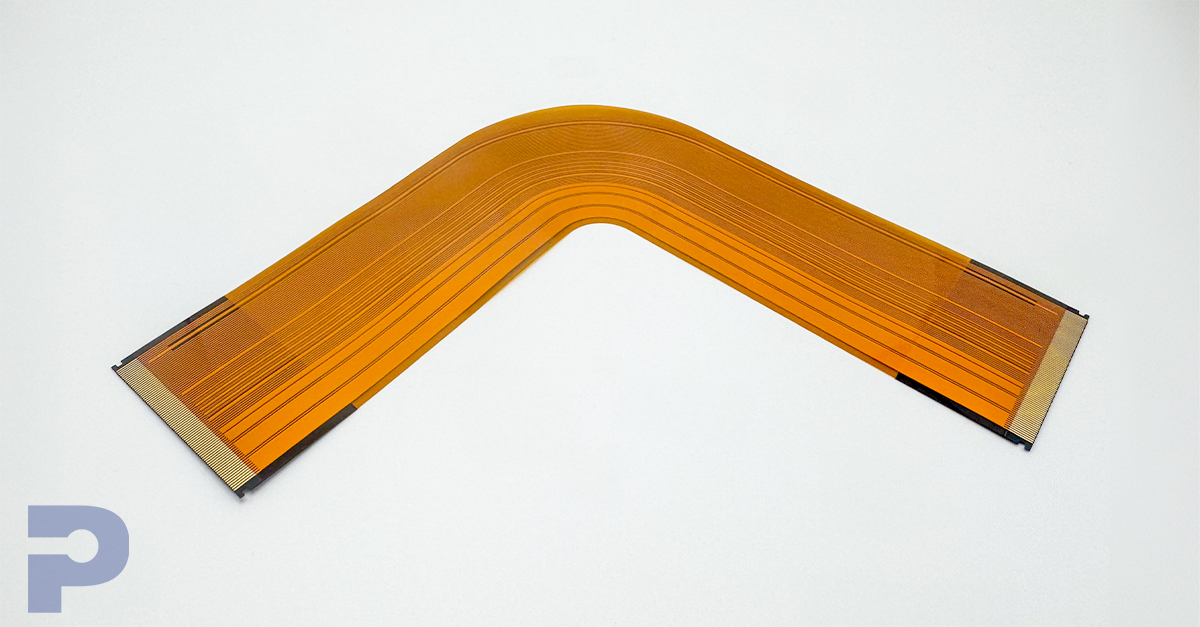
Dynamic flex PCBs are where flexible circuit design stops being “just about fitting in tight spaces” and starts being about surviving motion—hundreds of thousands or even millions of bend cycles without cracking, drifting out of spec, or failing at the worst possible time.
If you design wearables, medical devices, robotics, automotive controls, or anything with a moving hinge, joint, or strap, understanding dynamic flex circuits is the difference between a product that just works in the lab and one that keeps working in the field for years.
This post walks through what dynamic flex PCBs are, how they differ from static flex, key design rules for long flex life, and how PICA supports these applications with design-first engineering and global manufacturing.
Static vs. Dynamic Flex: Why It Matters
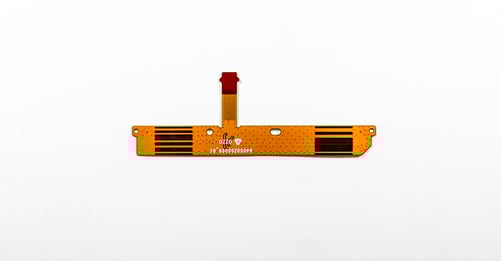
Not all flex circuits are designed to move.
• Static flex: The circuit bends once (or a few times) during assembly and then stays in a fixed shape. Think: folding a flex into a tight enclosure and leaving it alone.
• Dynamic flex: The circuit bends repeatedly in use—thousands to millions of cycles—such as in a wearable strap, robotic joint, folding display, or rotating control.
• Dynamic flex PCBs must handle: repeated tension and compression through the copper, localized strain around pads, vias, and connectors, and possible temperature cycling and vibration on top of mechanical motion.
Designing a normal flex PCB and simply putting it into motion is a recipe for copper fatigue and cracking, pad/via fractures at bend regions, and intermittent opens or drifting impedance under motion.
Dynamic flex design is its own discipline—and it starts with materials, stack-up, routing, and bend geometry.
Where Dynamic Flex PCBs Are Used
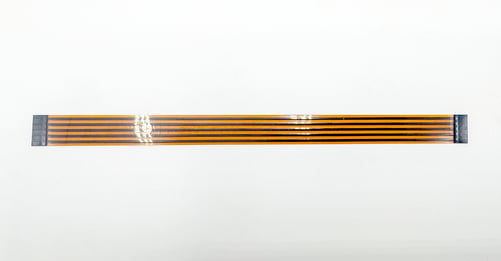
Because they combine motion and reliability, dynamic flex circuits show up anywhere moving electronics need to be thin, light, and long-lasting.
• Wearables & Consumer Devices: Smartwatches and fitness bands; head-mounted displays and AR/VR straps; foldable phones and tablets (hinge regions).
• Medical Devices: Body-worn monitoring patches; sensor ribbons that move with muscles or joints; flexible interconnects in diagnostic equipment.
• Automotive & Transportation: Rotating or tilting displays; steering wheel controls; seat controls and sensing assemblies in vibration-heavy environments.
• Industrial Automation & Robotics: Robot arm joints and end effectors; continuous-motion actuators and slides; sensors on moving axes in factory equipment.
Here, dynamic flex PCBs often need hundreds of thousands or millions of cycles, with stable signals and minimal maintenance.
Visit PICA’s Dynamic Flex page to learn how we design flexible circuits for continuous motion, long bend life, and reliable performance in demanding applications.
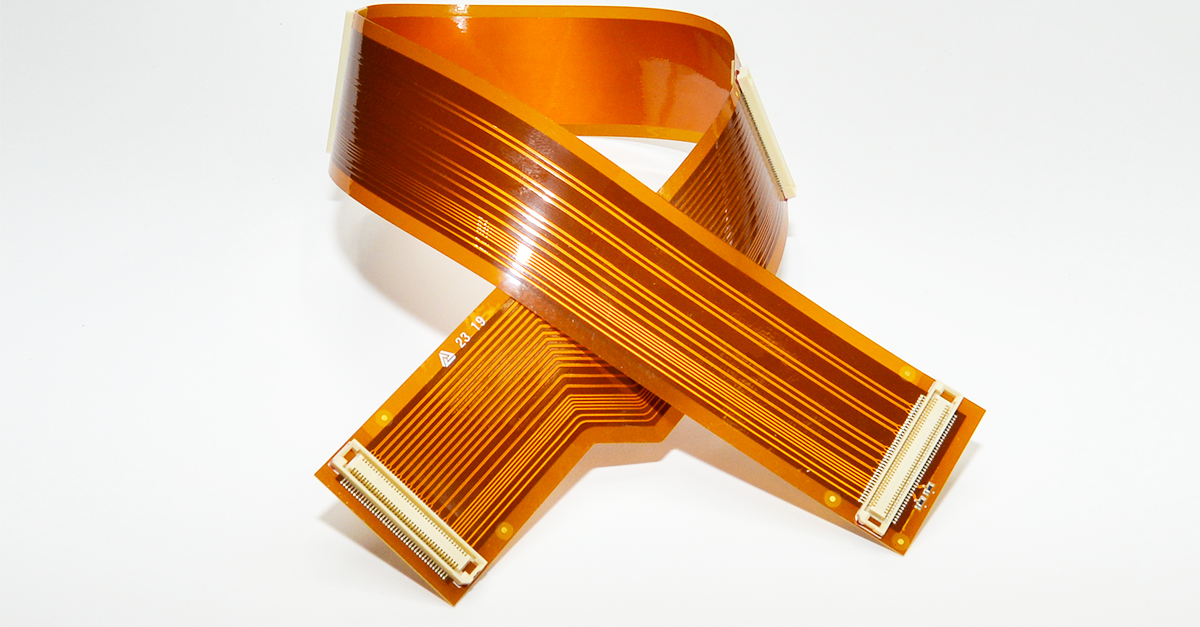
Key Design Elements of a Dynamic Flex PCB
PICA’s dynamic flex expertise focuses on keeping strain where the materials can handle it—and away from fragile features like pads and vias.
1. Material Selection for High-Cycle Bending
For long flex life, materials matter as much as layout: RA (Rolled Annealed) copper for better grain structure for bending; ultra-thin copper foils to reduce strain through the cross-section; adhesiveless polyimide to reduce overall thickness and improve fatigue resistance in high-cycle regions.
These choices help prevent microcracks that start at the copper and propagate outward under repeated stress.
2. Optimized Bend Radius & Bend Region Design
Dynamic flex PCBs are engineered around specific bend radius (R) targets. Too tight, and you dramatically shorten flex life; properly sized radii support 100,000–1,000,000+ cycles.
Bend length and location matter as well: you want uniform bending along the flex, not sharp kinks at stiffeners or connector edges.
Aligning grain direction and trace orientation properly helps copper survive repeated bending.
3. Routing for Strain Control
How you route traces in the bend area is just as important as your stack-up: staggered traces rather than aligned parallel walls of copper; filleted corners and smoothed transitions versus sharp 90° turns; tear-stop features to prevent cracks from propagating; and no vias in the tight bend area when possible.
In dynamic flex design, the goal is smooth, evenly distributed strain, not abrupt transitions that concentrate stress.
4. Air Gaps, Windows & Stiffeners
Mechanical construction can dramatically extend flex life: air-gap and windowed constructions reduce stiffness in bend regions and move neutral axes to favorable locations; selective stiffeners (FR-4, polyimide, stainless, etc.) keep components and connectors in rigid zones, away from repeated bending; connector reinforcement and strain relief help avoid solder joint fatigue and pad lifting where the flex terminates.
5. Stable Electrical Performance Under Motion
Many dynamic flex designs carry high-speed digital signals, sensitive analog traces, or power plus data in tight form factors.
PICA combines controlled-impedance stack-ups with process control so that impedance stays stable even while the circuit is flexing in operation.
Common Dynamic Flex Failure Modes—and How to Avoid Them
If a standard flex PCB is used in a dynamic application, you may see: cracked copper in the bend; pad or via fatigue; impedance drift over time; and connector failures without proper strain relief.
A dynamic flex review focuses on: moving all fragile features out of the bend region or redesigning that region to reduce strain; rebalancing thickness and materials in bend zones versus component areas; reworking routing, tear stops, and fillets to ensure predictable, repeatable strain paths; and confirming bend-cycle requirements (e.g., 100k vs. 1M cycles) and adjusting design targets accordingly.
How PICA Supports Dynamic Flex PCB Projects
PICA isn’t just building flex PCBs—we’re engineering dynamic flex solutions around motion, reliability, and manufacturability.
From our dynamic flex expertise and flex product capabilities:
• Design-driven engagement: Early DFM input on bend radius, routing, materials, layer stack, and stiffener strategy; guidance on isolation of bend regions and stress-critical features.
• Dynamic flex-focused capabilities: Designs targeted for 100,000 to 1,000,000+ bend cycles; RA copper, ultra-thin foils, adhesiveless polyimide, and advanced constructions (air gaps, windows); support for controlled impedance and high-speed designs under motion.
• Global prototypes-to-production support: Engineering teams in the U.S.; manufacturing in Malaysia and other global partners for scalable volume production; ability to support dynamic flex as part of broader solutions: rigid-flex, FPCBA/PCBA, box-build, and more.
The result: you’re not just buying a flex part; you’re getting an engineered interconnect designed specifically for motion, fatigue life, and manufacturability.
When to Bring in a Dynamic Flex Specialist
You should consider dynamic flex expertise as soon as a cable, harness, or flex in your design will move during normal use; you have a target bend cycle count (e.g., 100k+, 500k+, 1M+); you’re trying to reduce connectors, weight, or wiring complexity in moving assemblies; or a flex design has already shown cracking or intermittent failures during test.
The earlier you involve your flex manufacturer, the easier it is to bake in the right stack-up, routing strategy, and mechanical construction—before you commit to tooling and qualification builds.
Ready to Talk About Your Dynamic Flex PCB?
If your next design needs to bend in the real world, not just on paper, dynamic flex PCBs are likely part of the answer.
PICA’s engineering team can: review your current flex or cable design; recommend materials, stack-ups, and bend strategies for your target cycle life; and help you prototype, test, and scale to production using global manufacturing resources.
Contact PICA Manufacturing Solutions to review your dynamic flex PCB design, or visit our Dynamic Flex expertise page to learn more about high-cycle flex capabilities.