English

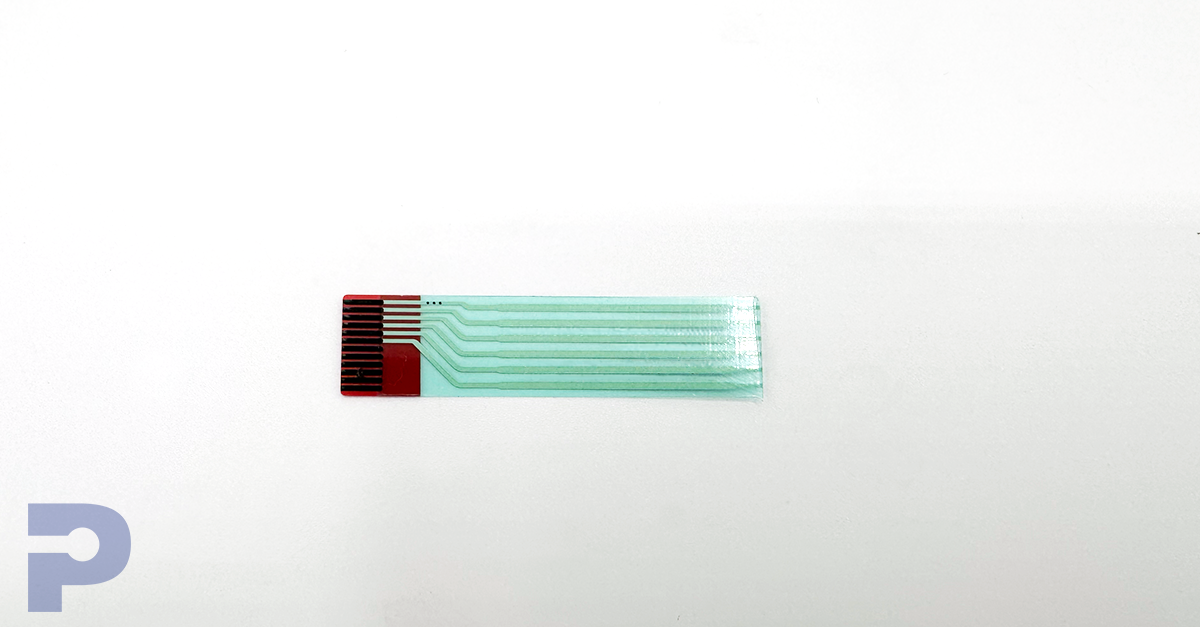
Copper has been the backbone of flexible printed circuits (FPCs) for decades, and for good reasons. While new materials and additive technologies are expanding the design toolbox, copper remains the benchmark conductor for traditional flexible circuits made using subtractive processes.
Before exploring alternatives, it’s important to understand why copper continues to dominate—and where emerging materials genuinely offer advantages.
Copper in Traditional FPC: Why It Remains the Benchmark
The Subtractive Process: Built Around Copper
Traditional FPCs are manufactured using a subtractive process:
1. Start with a copper-clad dielectric (typically polyimide or PET).
2. Apply photoresist and image the circuit pattern.
3. Chemically etch away unwanted copper.
4. Strip resist and finish the circuit.
This process is optimized around copper foil. The entire ecosystem, laminates, adhesives, surface finishes, plating chemistry, reliability standards, has been engineered over decades specifically for copper.
The result is a highly predictable, scalable, and repeatable manufacturing platform.
Electrical Performance: The Conductivity Standard
Copper’s electrical conductivity remains one of its strongest advantages.
• Bulk resistivity: ~1.68 × 10⁻⁸ Ω·m
• Excellent current-carrying capacity
• Low voltage drop even in narrow traces
• Stable impedance control for RF applications
In FPC applications, copper enables:
• Fine-pitch traces
• Controlled impedance structures
• High-current power delivery
• Minimal resistive heating
When electrical efficiency, signal integrity, or compact geometry matter, copper is extremely difficult to replace.
Mechanical Properties: Flex Life and Fatigue Resistance
Flexible circuits are not just electrical systems; they are mechanical systems.
Rolled-annealed (RA) copper, commonly used in dynamic flex circuits, offers:
• Excellent ductility
• High elongation before fracture
• Strong resistance to cyclic fatigue
In dynamic bending applications (hinges, wearables, robotics), copper’s grain structure and mechanical properties allow millions of flex cycles when properly designed.
Alternative conductors often struggle to match this combination of conductivity and fatigue resistance.
Pricing, Supply Chain, and Scalability
Copper benefits from:
• A mature global supply chain
• Commodity-level pricing transparency
• Extensive processing infrastructure
• Established reliability standards (IPC, UL, etc.)
Because copper foil is produced at massive scale, it offers predictable cost per square meter and stable availability.
For high-volume FPC production, this matters.
What About Aluminum?
Aluminum is sometimes proposed as a lower-cost alternative conductor. It offers:
• Lower density (lighter weight)
• Lower raw material cost
• Good conductivity (though lower than copper)
However, aluminum has practical limitations in flexible circuits:
Challenges
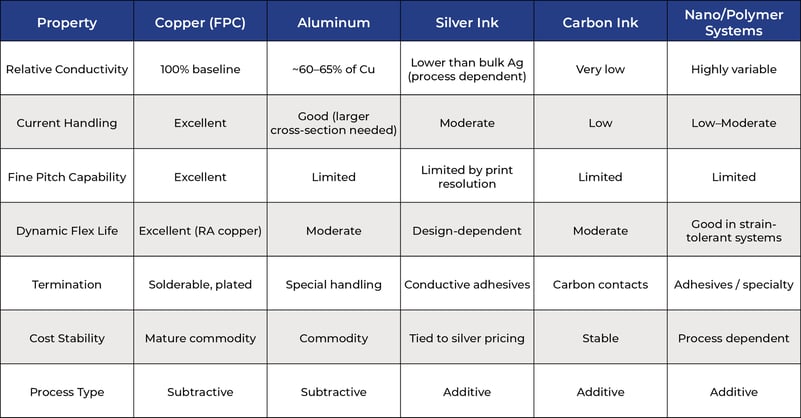
• Lower conductivity requires larger cross-sections
• Oxide layer complicates soldering and termination
• Galvanic corrosion risk when paired with copper
• Less mature ecosystem in fine-pitch FPC processing
Where Aluminum Makes Sense
Aluminum is commonly used in:
• Power distribution conductors
• Bus bars
• LED substrates
• Weight-sensitive cable applications
But for fine-line, high-reliability flexible circuits, aluminum is typically a niche solution rather than a direct copper replacement.
Additive Technologies: Printing Conductors on Dielectrics
While subtractive copper processing dominates traditional FPC manufacturing, additive technologies are expanding design possibilities.
Instead of starting with copper foil and etching material away, additive processes:
• Deposit conductive material directly onto a dielectric substrate
• Use screen printing, inkjet, aerosol jet, or dispensing methods
• Build only the traces needed
This reduces material waste and enables new geometries and substrates.
However, performance depends heavily on ink formulation.
Explore the right conductor for your next flex circuit design.
Connect with PICA to discuss when copper remains the best choice and where alternative materials may add value.
Historical Ink Systems
Silver Flake Inks
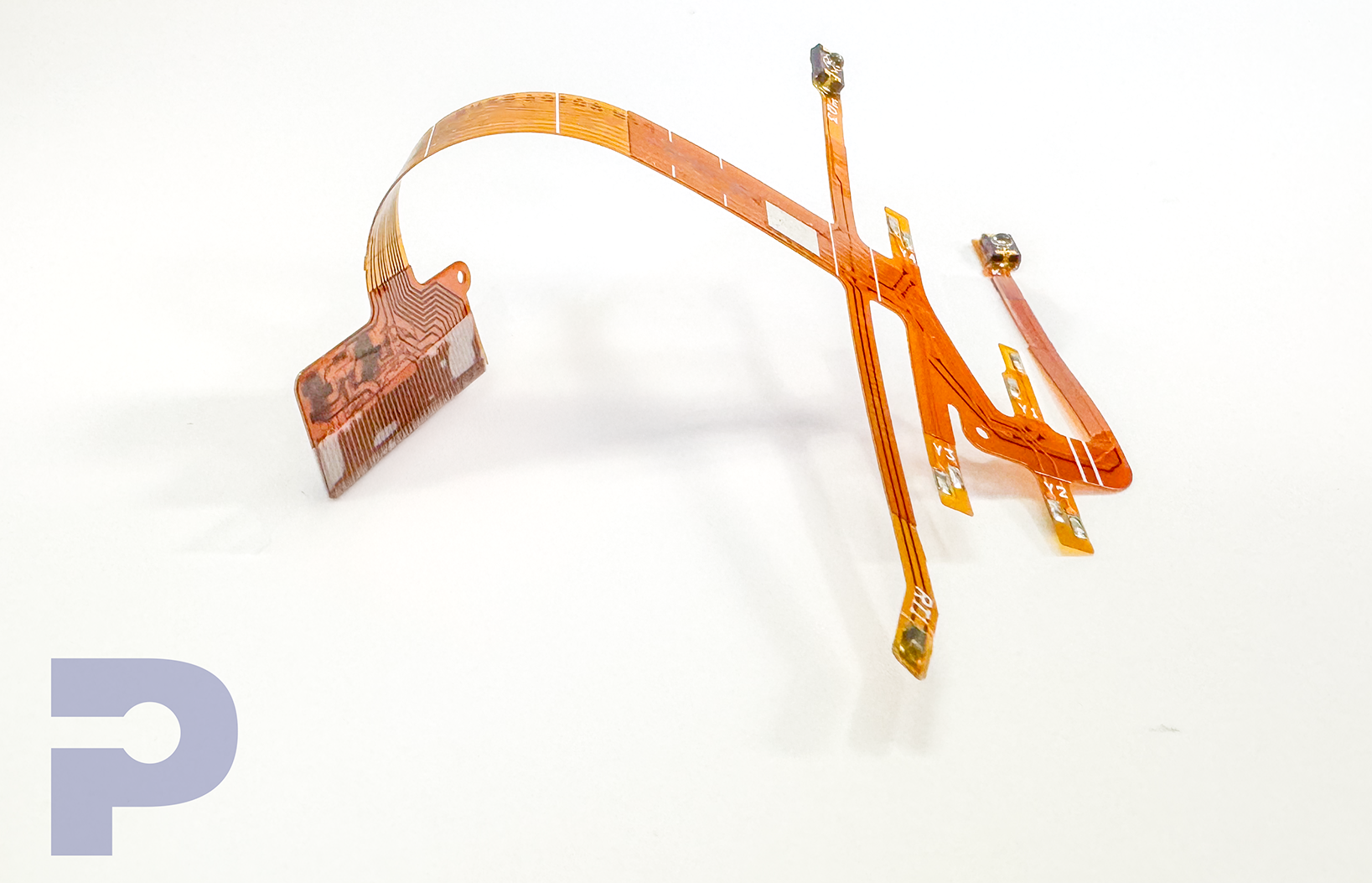
Silver flake inks have been widely used in:
• Membrane switches
• Printed heaters
• RFID antennas
• Medical electrodes
Advantages:
• Relatively high conductivity among printable materials
• Low-temperature processing options
• Compatibility with PET and flexible substrates
Limitations:
• Higher resistivity than copper
• Cost sensitivity to silver pricing
• Mechanical cracking under repeated flex if not engineered properly
Silver inks perform well when trace resistance can be tolerated or compensated through geometry.
Carbon Inks
Carbon-based inks are commonly used for:
• Keypad contacts
• Resistors
• ESD layers
• Low-current traces
Advantages:
• Lower material cost
• Good chemical stability
• Excellent for resistive applications
Limitations:
• Much higher resistance than metallic conductors
• Not suitable for high-current or fine-pitch designs
Carbon inks are functional materials, not copper replacements.
Modern Ink Formulations: Nanoparticles and Nanowires
Recent developments have expanded additive capabilities.
Silver Nanoparticle Inks
• Smaller particle sizes enable better packing density
• Improved conductivity after sintering
• Potential for thinner, smoother traces
However:
• Sintering temperature impacts substrate choice
• Process control becomes critical
• Still higher resistivity than bulk copper
Nanowire and Hybrid Systems
Silver nanowires and hybrid metal systems enable:
• Improved flexibility
• Better performance at lower thickness
• Transparent conductor applications
These systems are particularly attractive in:
• Wearables
• Flexible sensors
• Transparent electronics
But they are generally not suited for high-current FPC backbones.
The Practical Reality
In most real-world designs, the question is not:
“Can we replace copper?”
The better question is:
“Where does copper remain essential—and where does additive technology add value?”
Copper remains the compelling conductor material for traditional flexible printed circuits because it delivers unmatched electrical performance, mechanical reliability, process maturity, and supply chain stability.
Additive conductive materials expand what’s possible, but they rarely eliminate the need for copper in high-performance flexible circuitry.
The future is not copper versus printed electronics.
It’s about using each technology where it performs best