 English

Space Tech Expo USA 2026 brought together a wide range of companies working across satellites, launch systems, defense space programs, lunar infrastructure, in-space manufacturing, robotics, power systems, optical communications, RF technology, testing, interconnect, software, and advanced components. Held June 2-4 in Anaheim, California, the event offered a strong look at where the space industry is heading next.
For PICA Manufacturing Solutions, the event was especially relevant because the future of space depends on more than big missions and breakthrough ideas. It depends on reliable electronic hardware that can perform in harsh environments, support compact system architectures, and meet demanding aerospace and defense requirements.
From satellite electronics and launch platforms to robotics, communication systems, power solutions, sensors, and mission-critical assemblies, many of the technologies represented at Space Tech Expo rely on advanced PCB fabrication, flex PCB, rigid-flex PCB designs, controlled impedance, EMI protection, thermal management, material selection, and high-reliability manufacturing support.
Why Space Tech Expo USA Matters
Space Tech Expo USA highlights the growing connection between commercial space, defense technology, advanced manufacturing, and the global supply chain. As more companies build hardware for orbit, lunar exploration, satellite networks, communications, defense systems, and in-space services, electronics manufacturing becomes a critical part of mission success.
Space applications often require electronics that are lightweight, compact, durable, and highly reliable. These systems may need to support high-speed signals, manage heat, reduce weight, withstand vibration, and maintain performance across demanding operating conditions. That creates a strong need for manufacturing partners who understand both engineering requirements and production realities.
At PICA, we support customers across PCB, flex PCB, rigid-flex PCB, PCB assembly, and custom interconnect solutions. The technologies showcased at Space Tech Expo reinforced how important these capabilities are becoming as aerospace and space companies continue pushing for smaller, smarter, lighter, and more reliable electronic systems.
Building electronics for aerospace, satellite, or mission-critical applications?
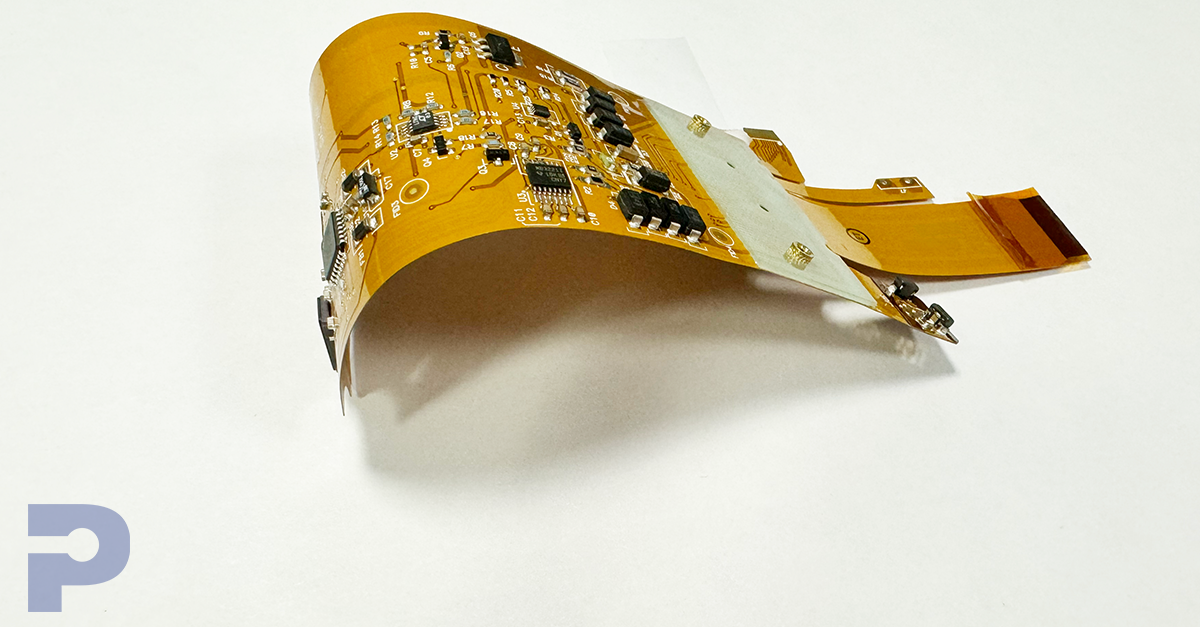
PICA supports advanced flexible circuit and PCB solutions designed for compact, reliable, and high-performance systems. Learn more about our flexible circuit capabilities!
Featured Companies from Space Tech Expo USA 2026 Conference Programming
Several companies featured in Space Tech Expo USA 2026’s conference programming stood out because of their role in aerospace, defense, satellite systems, launch, lunar infrastructure, in-space manufacturing, and next-generation space hardware.
Boeing
Boeing was featured in the Space Tech Expo USA 2026 conference programming as part of the opening keynote panel focused on American superiority in space. Its presence reflected the continued importance of large-scale aerospace and defense systems, where mission-critical hardware must support reliability, performance, and long-term durability.
Northrop Grumman
Northrop Grumman was also featured in the opening keynote panel on American superiority in space. As one of the most recognized names in defense, space, aeronautics, and mission-critical technology, Northrop Grumman’s participation reinforced the growing need for reliable electronic hardware in satellite platforms, defense systems, and space infrastructure.
Rocket Lab
Rocket Lab was included in the conference programming as part of a panel focused on the current launch landscape and the need for a resilient launch ecosystem. As launch demand grows and satellite deployment becomes more active, companies like Rocket Lab are helping drive the need for scalable, reliable, and efficient aerospace hardware.
Astrolab
Astrolab was featured in Space Tech Expo USA 2026 programming through discussions around lunar robotics, sustained human presence on the Moon, and supply chain agility. Lunar and robotic systems require hardware that can operate reliably in harsh, remote, and mechanically demanding environments.
Axiom Space
Axiom Space was included in a Technology Conference panel focused on orbital data centers. Its participation connected directly to the future of orbital infrastructure, commercial space platforms, data processing, communications, power systems, and mission operations.
Varda Space Industries
Varda Space Industries was featured in a fireside chat on taking pharmaceutical manufacturing to space. This area of commercial space connects orbital infrastructure with real-world production applications, including controlled manufacturing, sensing, communication, and power systems.
Loft Orbital
Loft Orbital was featured in the Technology Conference programming through an AI demonstration session. Its role in satellite infrastructure and mission deployment connects closely to the growing need for flexible satellite platforms, reliable onboard electronics, and scalable integration.
Together, these companies highlight how broad and technically demanding the space industry has become. From launch systems and lunar robotics to satellite platforms, orbital infrastructure, and in-space manufacturing, the future of space depends on electronic hardware that is compact, reliable, traceable, and built for demanding environments. For PICA Manufacturing Solutions, these trends connect directly to the need for advanced PCB, flex PCB, rigid-flex, interconnect, and assembly solutions that can support complex aerospace and defense applications.
What This Means for PCB and Flex Circuit Manufacturing
One of the strongest takeaways from Space Tech Expo USA 2026 is that the space industry is becoming more hardware-intensive, commercially active, and dependent on advanced electronics manufacturing. Modern space systems often require lightweight flex circuits, rigid-flex PCB integration, compact multilayer PCBs, controlled impedance, EMI shielding, thermal management, high-reliability assemblies, custom interconnects, and strong quality oversight.
As space programs become more ambitious, the electronics inside them must become smaller, stronger, more efficient, and more dependable. Early engineering support is also becoming more important, especially when design teams need to evaluate manufacturability, material selection, stack-up decisions, assembly requirements, and supply chain risks before production begins.
For space, aerospace, defense, satellite, and advanced technology applications, this type of collaboration can help reduce risk and support more consistent production outcomes.
Final Thoughts
Space Tech Expo USA 2026 offered a clear look at where the space industry is headed. From launch systems and satellite networks to lunar robotics, orbital infrastructure, defense space programs, and in-space manufacturing, the event showed how quickly the market is evolving.
The biggest takeaway is simple: the future of space depends on reliable electronics. As companies build the next generation of spacecraft, satellites, robotics, communication systems, sensors, and mission-critical platforms, they will need manufacturing partners who understand advanced PCB design, flex circuitry, rigid-flex integration, assembly, and high-reliability production.
At PICA Manufacturing Solutions, we are excited by the direction of the space industry and the opportunities it creates for advanced electronic hardware. As space technology continues moving forward, we are ready to support the companies building what comes next.