 English


In today’s electronics world, component densities are rising, geometries are shrinking, and reliability expectations are higher than ever. Failures at the board level can jeopardize product launches, erode customer trust, and lead to costly recalls. Simply put: what you don’t see can kill your design. That’s where inspection technologies like Automated Optical Inspection (AOI) and X‑Ray inspection come in, enabling you to peer beneath the surface, catch hidden flaws, and lock in quality before it’s too late.
In this post, we’ll explain what AOI and X‑Ray inspection can (and can’t) detect, the consequences of bad boards slipping through, and how PICA sets itself apart in delivering world-class inspection services and quality control.
Why Companies Come to PICA for Inspections
At PICA, many of the boards we inspect aren’t initially manufactured by us. Companies often come to us when their existing suppliers deliver assemblies with issues that affect performance, reliability, or certification. During our AOI and X‑Ray inspections, we regularly uncover hidden defects in boards sourced elsewhere—voids in BGAs, poor solder fill, misaligned components, or internal cracks.
What sets PICA apart is how we respond: our proven competencies in quality assurance and PCBA process control not only identify the problems but also show customers how to prevent them in the future. In many cases, once companies see our inspection rigor and engineering support, they choose to transition their builds to PICA. By partnering with us, they avoid repeat issues, improve yield, and gain confidence that their boards are built right the first time.
AOI vs. X‑Ray: What They Are, What They Do Automated Optical Inspection (AOI)
Automated Optical Inspection (AOI)
AOI is a vision‑based inspection technique where cameras scan a board’s surface and compare what they see against a known reference or design rules. AOI systems can flag defects like missing components, misalignment, bridging, tombstoning, incorrect polarity, and more. AOI shines for surface defects: anything you can see (or infer) from the outside. However, it cannot see hidden solder joints, vias, or internal layers.
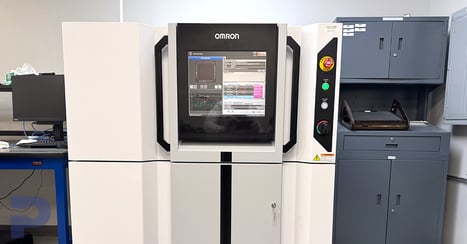
AOI (Automated Optical Inspection)
X‑Ray Inspection (AXI / X‑Ray)
X‑Ray inspection uses penetrating X‑rays instead of visible light to “see through” the board and components. It can detect hidden defects inside solder joints, BGAs, vias, multilayer stacks, and more. X‑Ray can identify voids, solder wicking, misalignment, bridging, internal cracks, and hidden shorts—defects invisible to AOI.
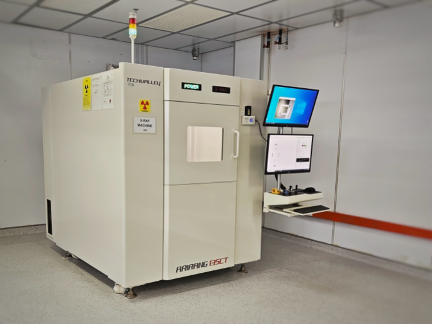 X-Ray machine
See What You Can’t See
Get a detailed AOI and X-Ray inspection report from PICA and uncover hidden defects before they impact your product. Contact our engineering team today.
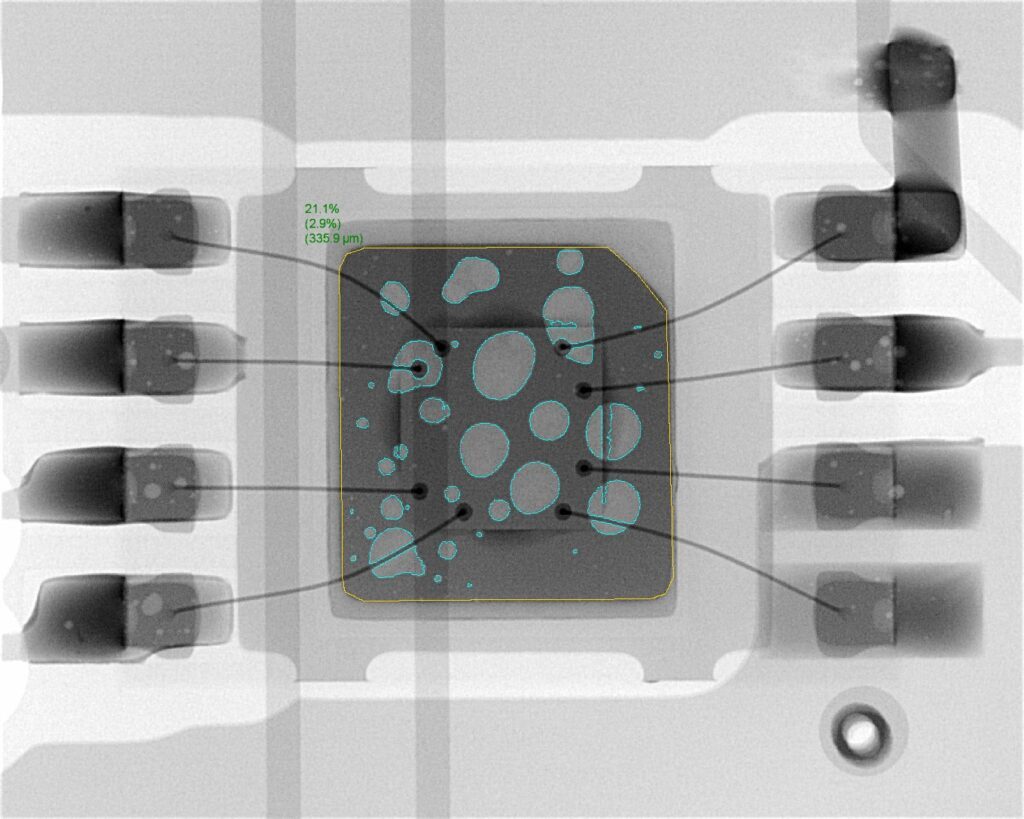
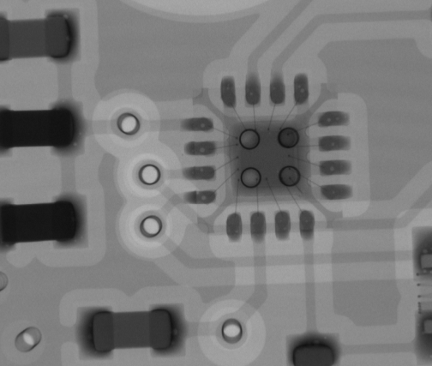 X-Ray Photo Sample 1
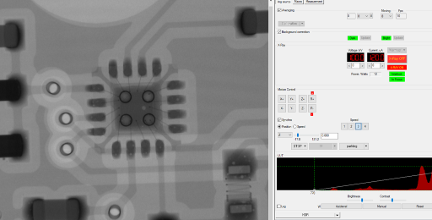 X-Ray Photo Sample 2
What Does AOI Inspection Detect?
AOI excels at detecting surface defects including missing components, polarity errors, misalignment, solder bridges, tombstoning, insufficient or excess solder, and solder mask defects.
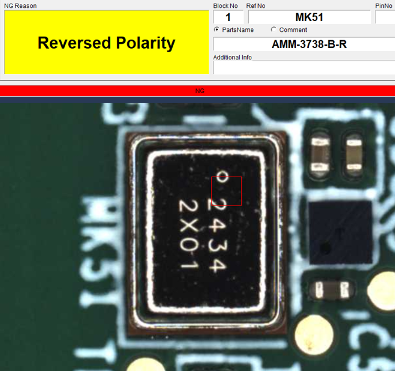 AOI Defect
What Does X-Ray Inspection Detect?
X‑Ray uncovers voids in solder joints, head‑in‑pillow defects, insufficient fill, internal cracks, layer misregistration, and hidden shorts or opens beneath packages.
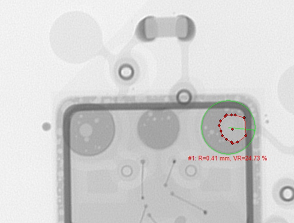 X Ray Defect Void under BGA
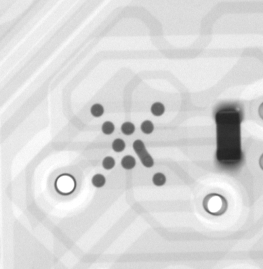 X-Ray Defect Bridging
What Causes PCB Assembly Inspection Failures?
Common causes include solder paste handling issues, reflow thermal profiles, component or package defects, and PCB design factors such as pad size and via geometry.
Why Inspection Matters for PCB Assembly Reliability
If hidden defects pass through inspection, the repercussions can be severe:
- Reliability failures and field returns
- Product launch delays
- Customer dissatisfaction and loss of trust
- Regulatory and certification risks
- Increased costs due to rework and scrap
How PICA Supports AOI and X-Ray Inspection
PICA provides state‑of‑the‑art AOI and X‑Ray inspection services, both on‑site and in‑house. Our team combines advanced imaging equipment, real‑time remote inspection capability, and deep process expertise to help customers identify and eliminate defects before they cause problems.
Our engineers don’t just detect defects, we analyze them. We trace root causes, recommend design or process improvements, and provide full documentation with images and metrics. With AOI, X‑Ray, and analytical feedback, we ensure that products are built right the first time.
Best Practices for AOI and X-Ray Inspection
To maximize inspection value:
1. Use AOI for fast surface coverage and X‑Ray for high‑risk areas.
2. Establish golden boards for reference.
3. Define pass/fail thresholds.
4. Close the loop by feeding inspection data back to process.
5. Train experts to interpret X‑Ray results.
6. Integrate data into quality metrics.
7. Balance throughput with coverage.
8. Combine AOI and X‑Ray for complete coverage.
AOI and X-Ray Inspection Summary
AOI provides speed and surface defect detection, while X‑Ray reveals hidden anomalies inside joints and layers. Together, they form a comprehensive inspection strategy. At PICA, we help you see what you can’t see, protecting your products, reputation, and bottom line.