 English



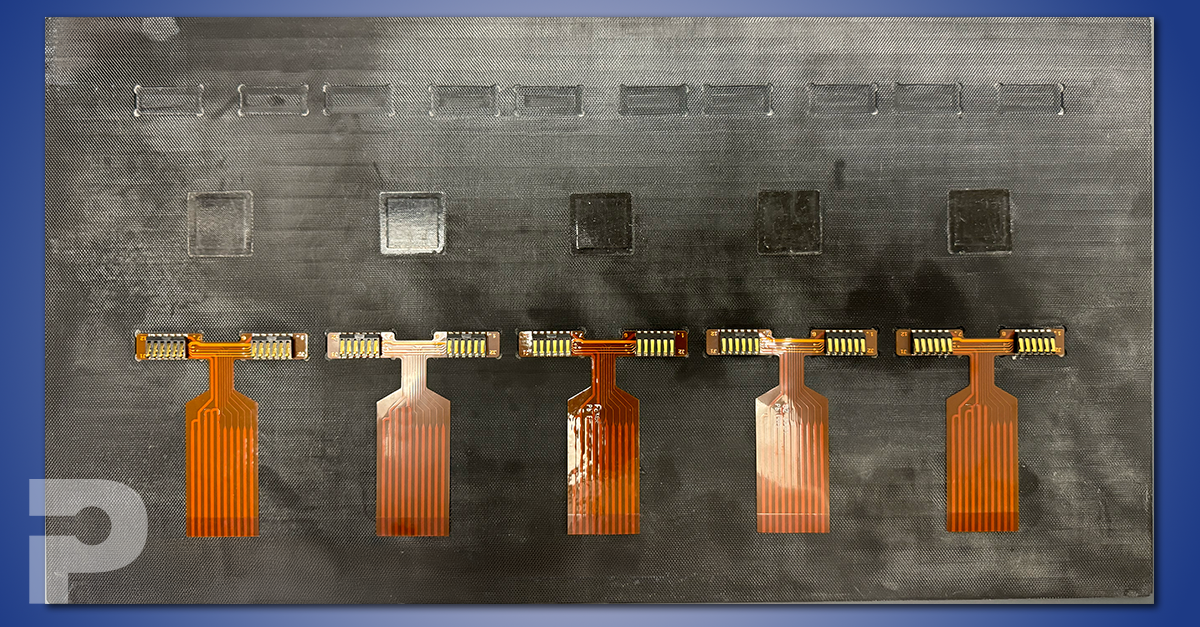
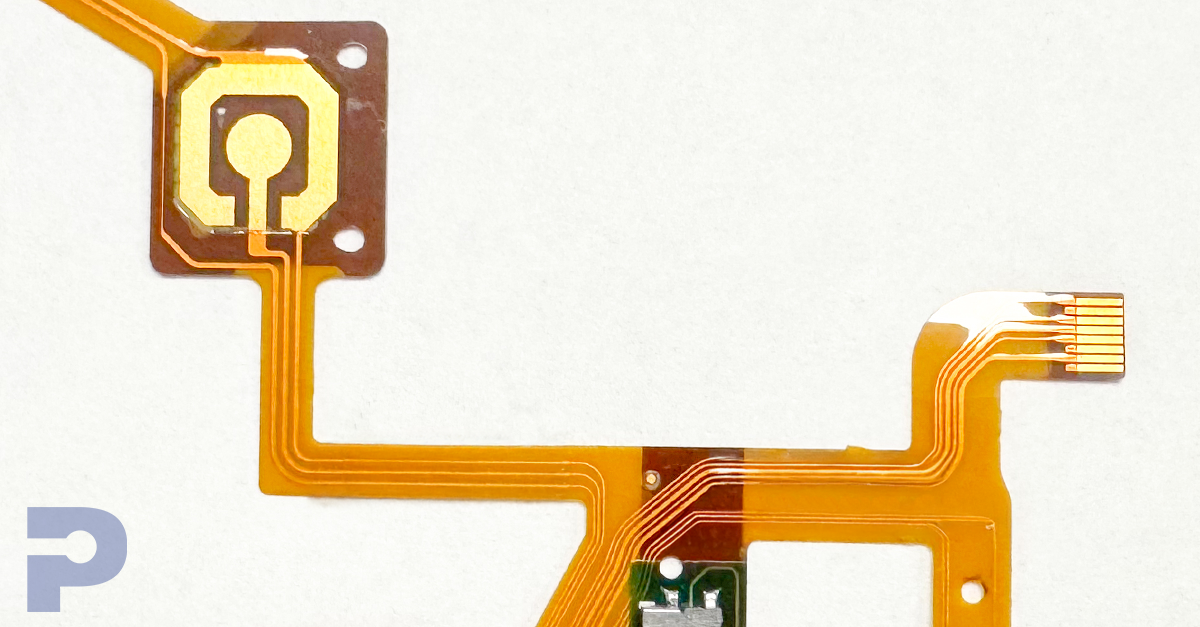
Designing for Precision: Controlled Impedance in Flexible Circuits
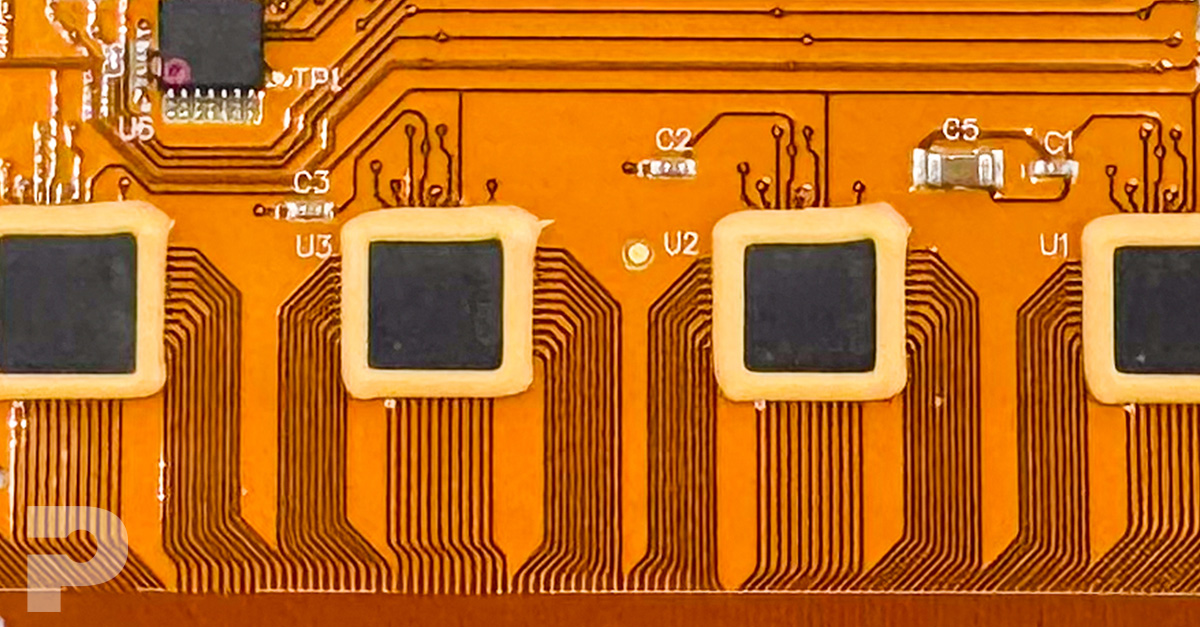
As electronic devices shrink and signal speeds increase, one design requirement becomes mission-crit...
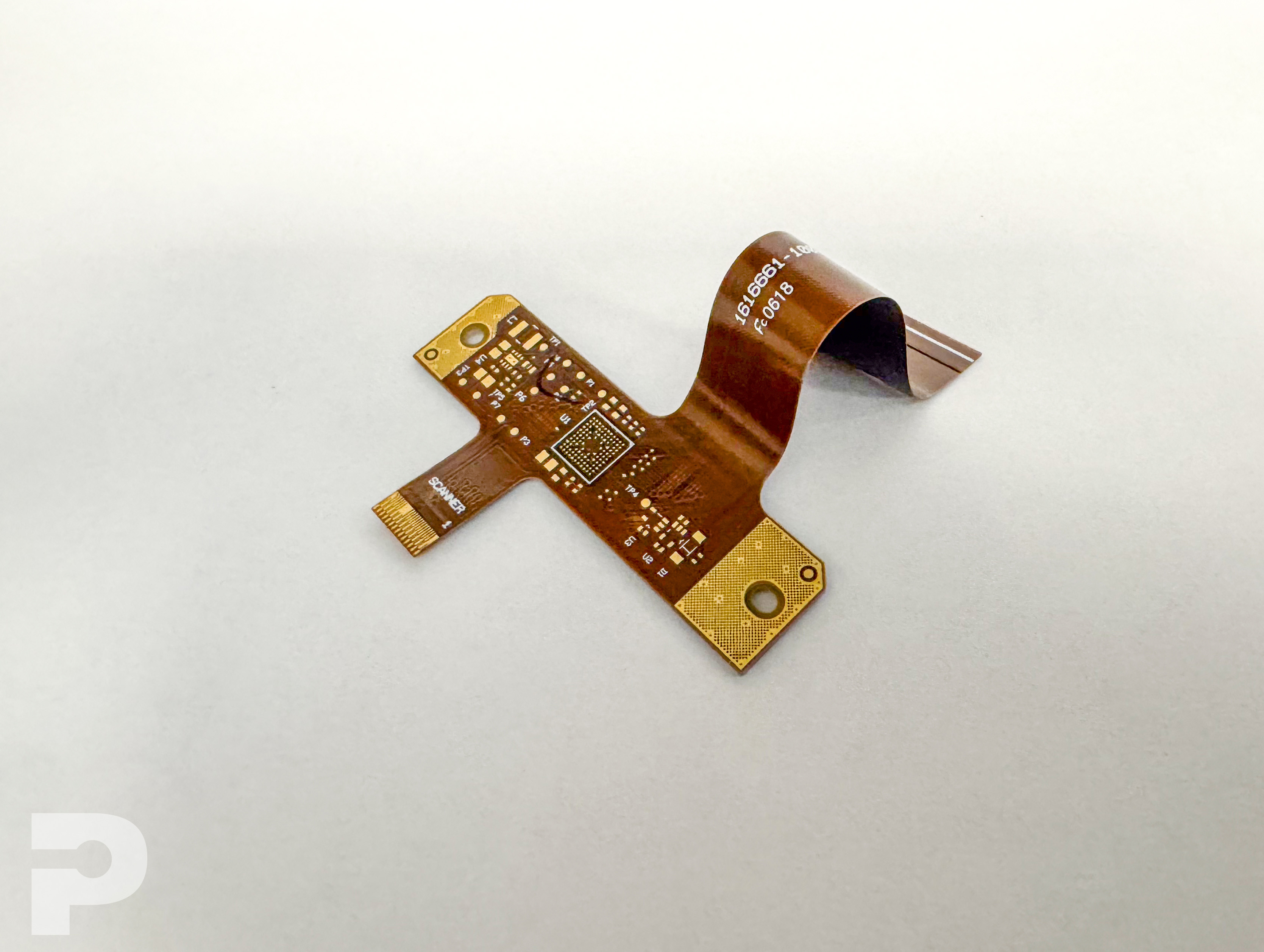
Bending Without Breaking: How Flexible Circuits Are Tested for Reliability
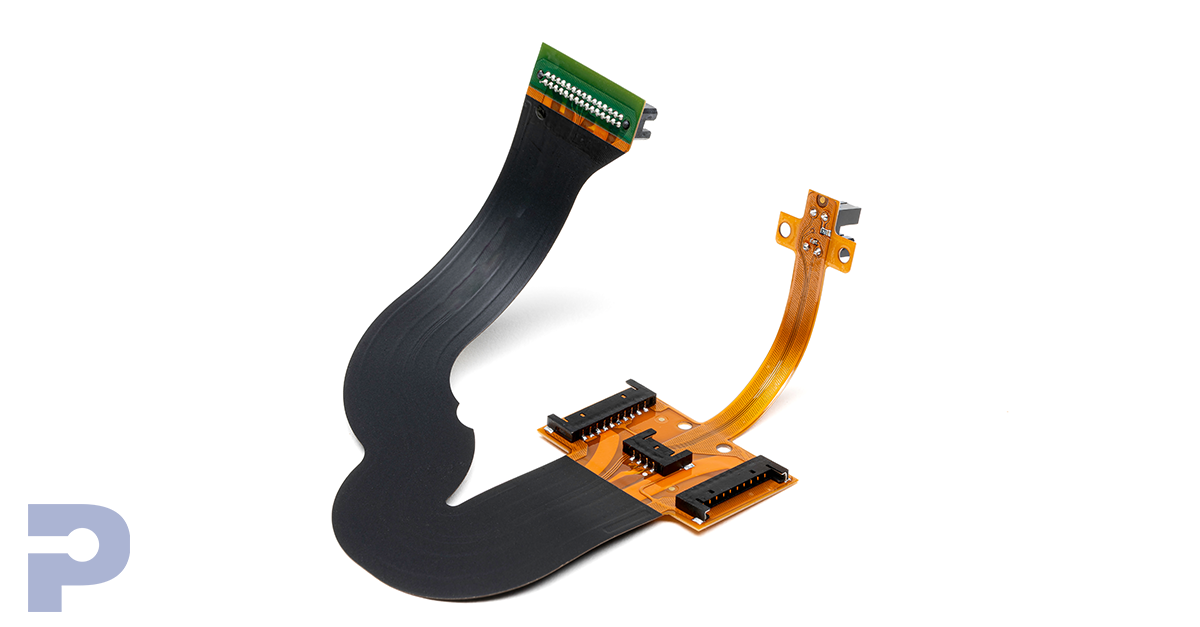
Flexible circuits are built to bend—but only when designed and tested to handle real-world mechanica...
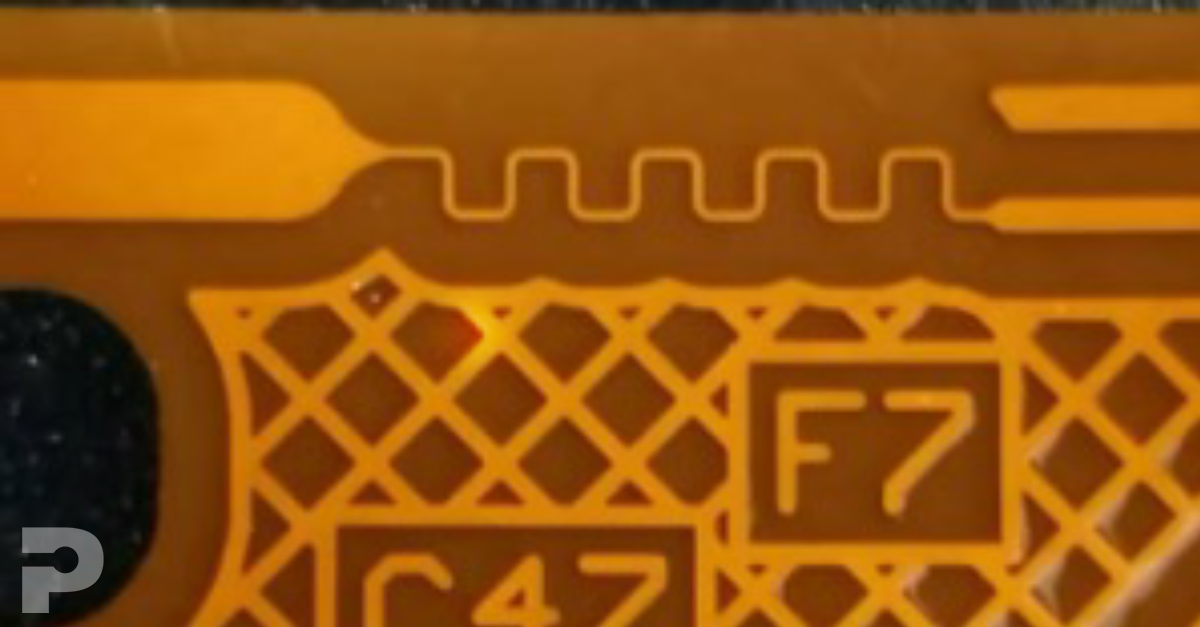
Embedding Performance: How Passive Components Are Integrated into Flexible Circuits
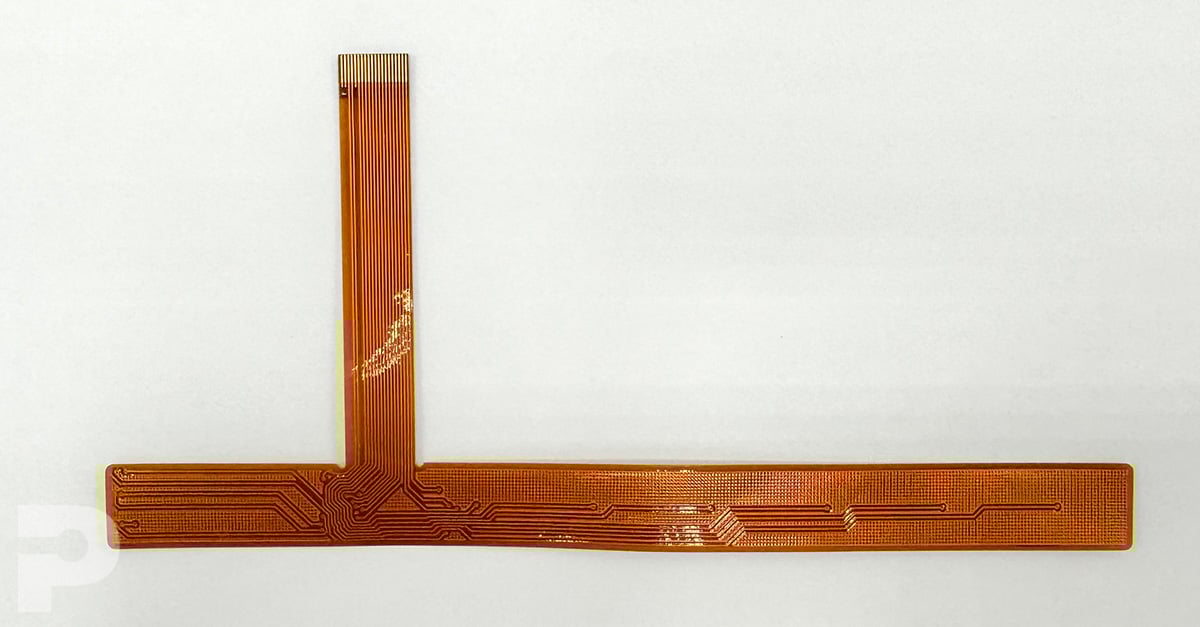
As electronic devices evolve to become smaller, smarter, and more power-efficient, engineers are und...
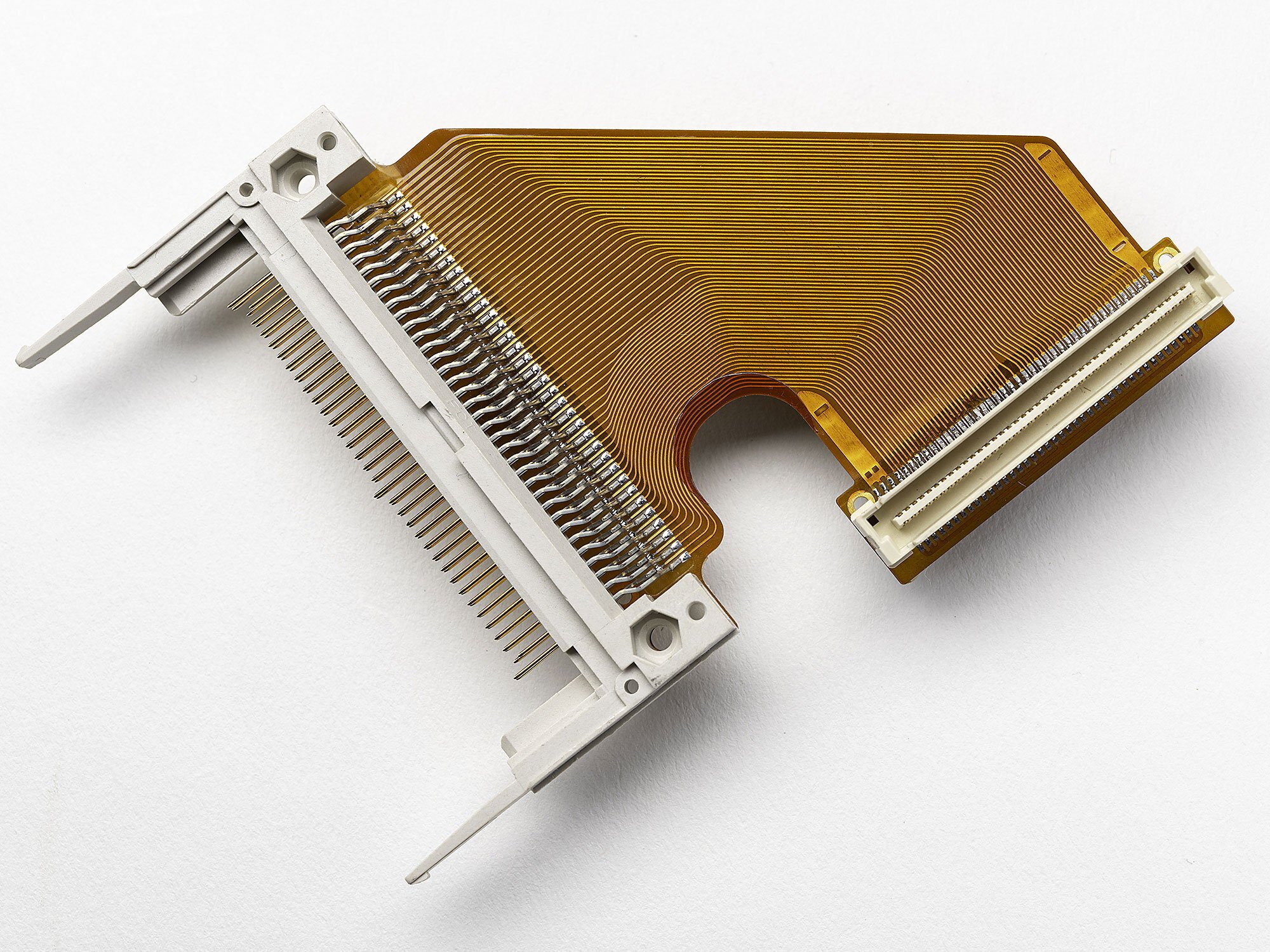
Designing for HDI PCB and Fine-Line Etching: What You Need to Know
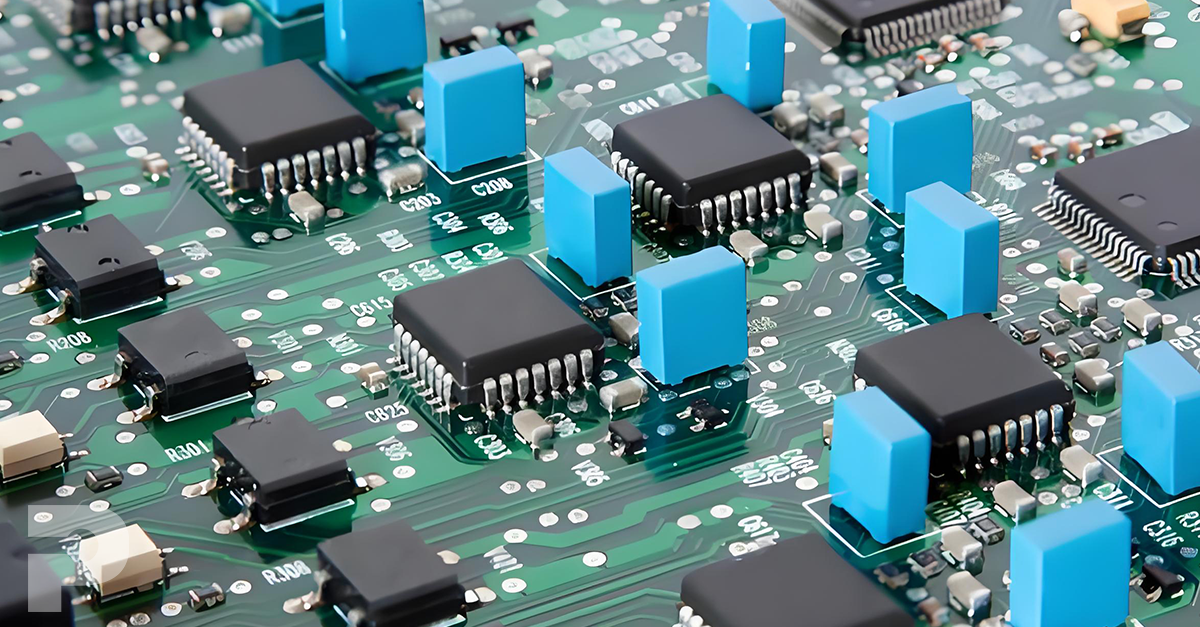
As devices shrink and performance demands grow, engineers are turning to High-Density Interconnect (...
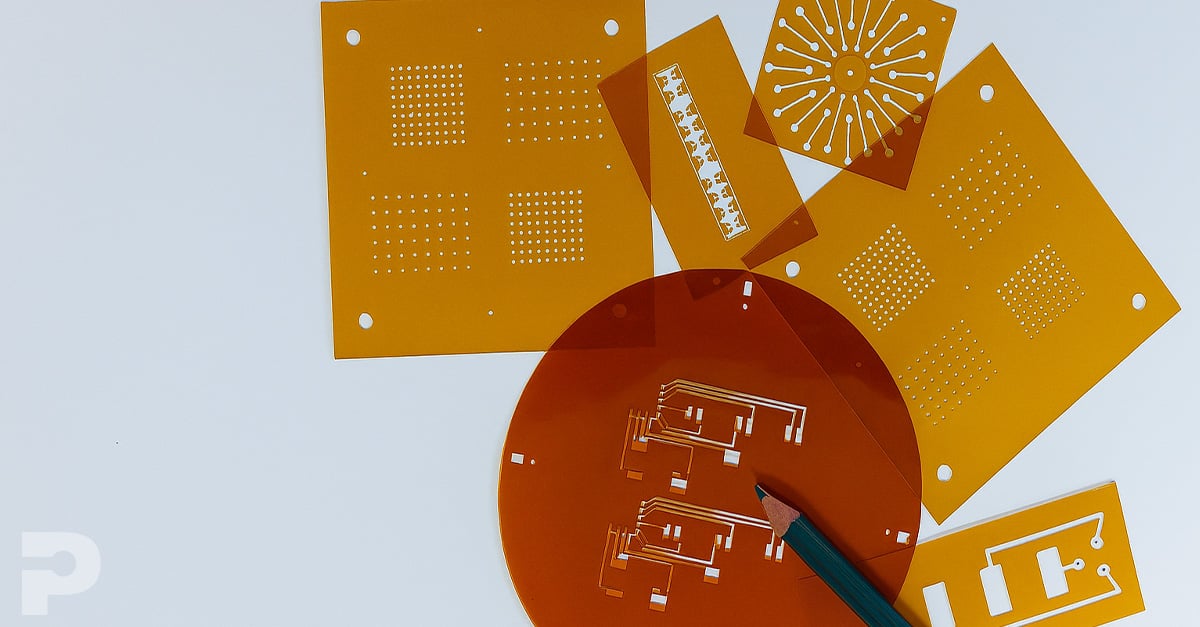
Kapton Etching in Flex Circuit Manufacturing: Key Materials & Processes
In the world of flexible electronics, polyimide films like Kapton® (a DuPont trademark) are a founda...
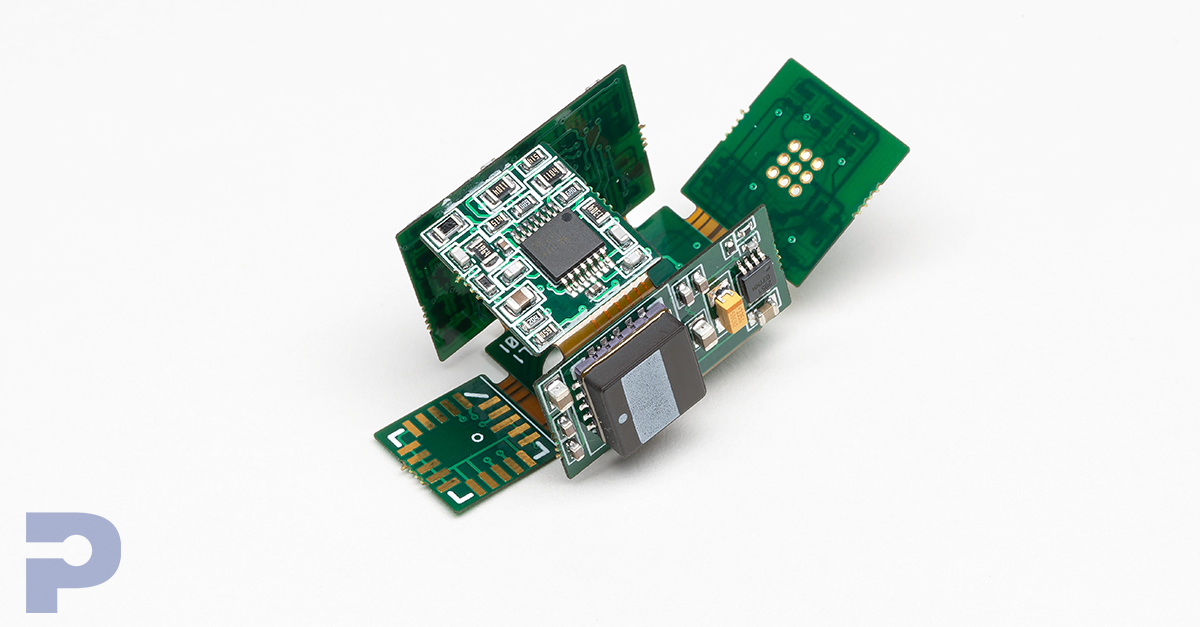
Rigid-Flex Circuit Design Tips for Reliable Performance
Rigid-flex PCBs combine the best of both worlds—the durability of rigid boards and the versatility o...

Explore Flexible Circuit Design with the PICA Flex Sample Kit
Designing flexible circuits isn’t just about choosing the right materials, it’s about understanding ...
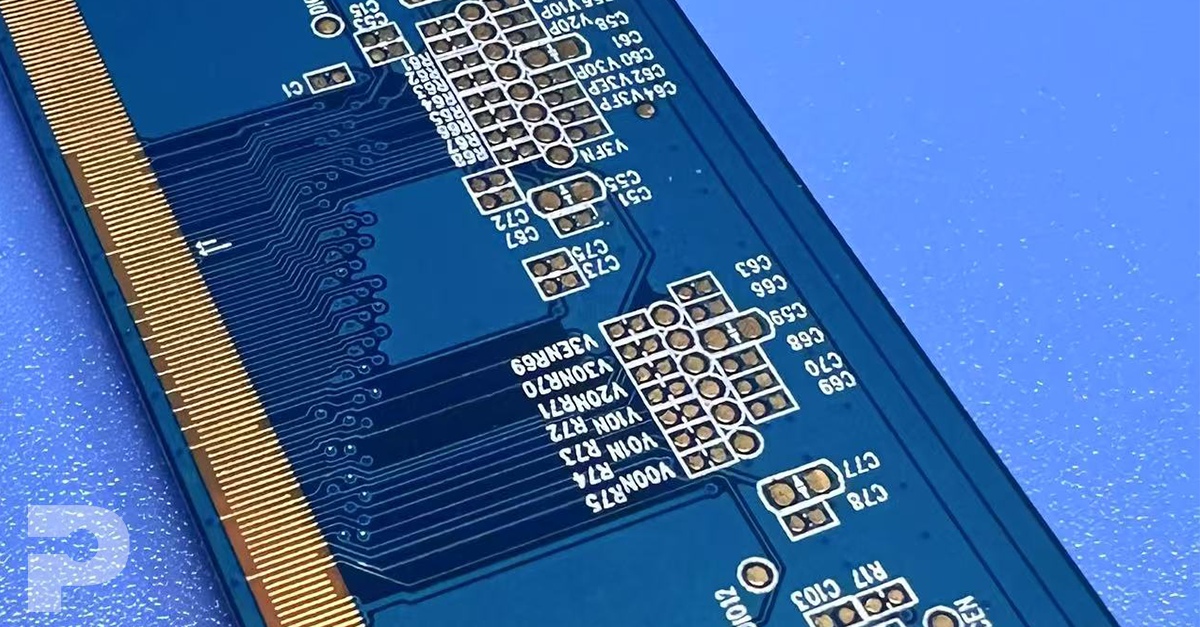
Guide to PCB & FPC Manufacturing Processes
This blog is an excerpt from the white paper Guide to PCB & FPC Manufacturing Processes: Subtrac...
.png)
PICA Manufacturing Solutions 30th Anniversary
From Flexible Circuits to Flexible Thinking Our journey began in 1995 through a strategic partnershi...
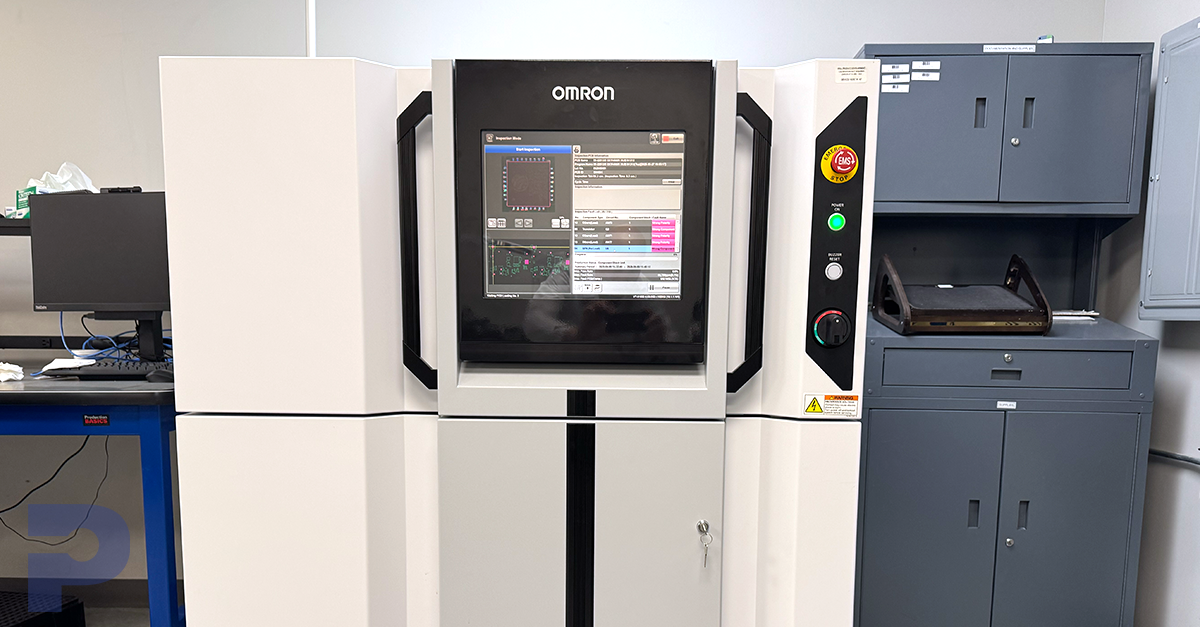
Why AOI and Quality Control Matter in PCB and Flex PCB
Why AOI and Quality Control Matter in PCB and Flex Circuit Manufacturing When it comes to PCB and fl...
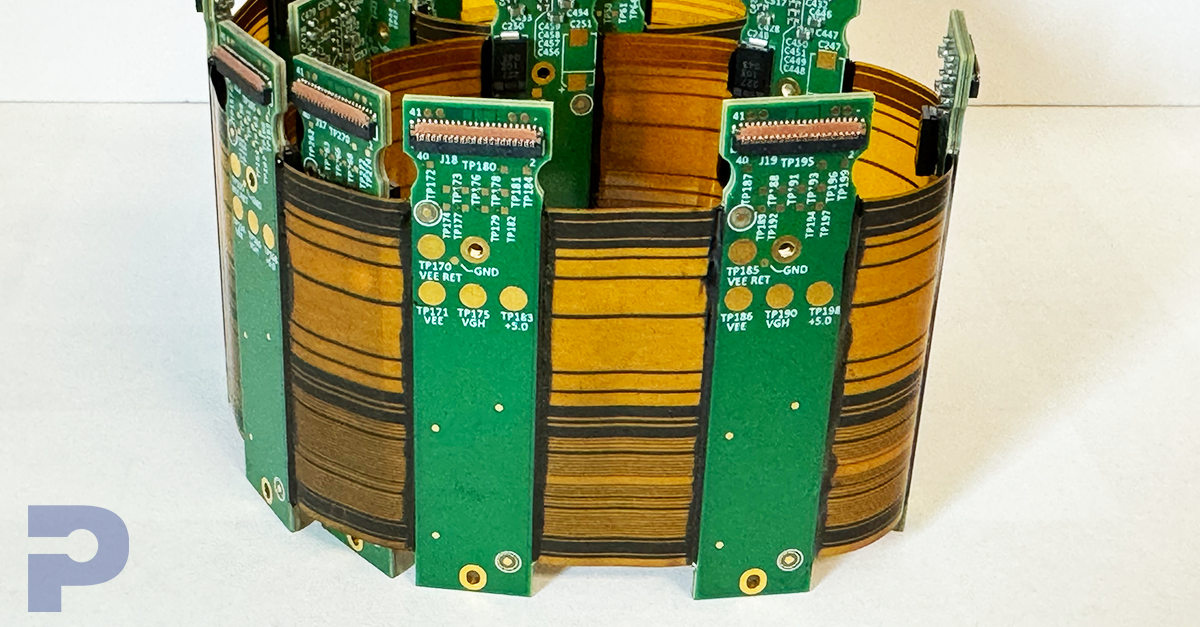
How to Protect Your Flex Circuits: Strain Relief and Tear Resistance Strategies
How to Protect Your Flex Circuits: Strain Relief and Tear Resistance Strategies Flexible circuits—su...

Designing High Voltage PCBs: Key Layout and Material Considerations
When working with high-voltage circuits, design priorities shift. While many PCBs focus on high-spee...

Outsourcing Supply Chain Expertise
There was a time when business success was measured by how much a company could do in-house. From ra...
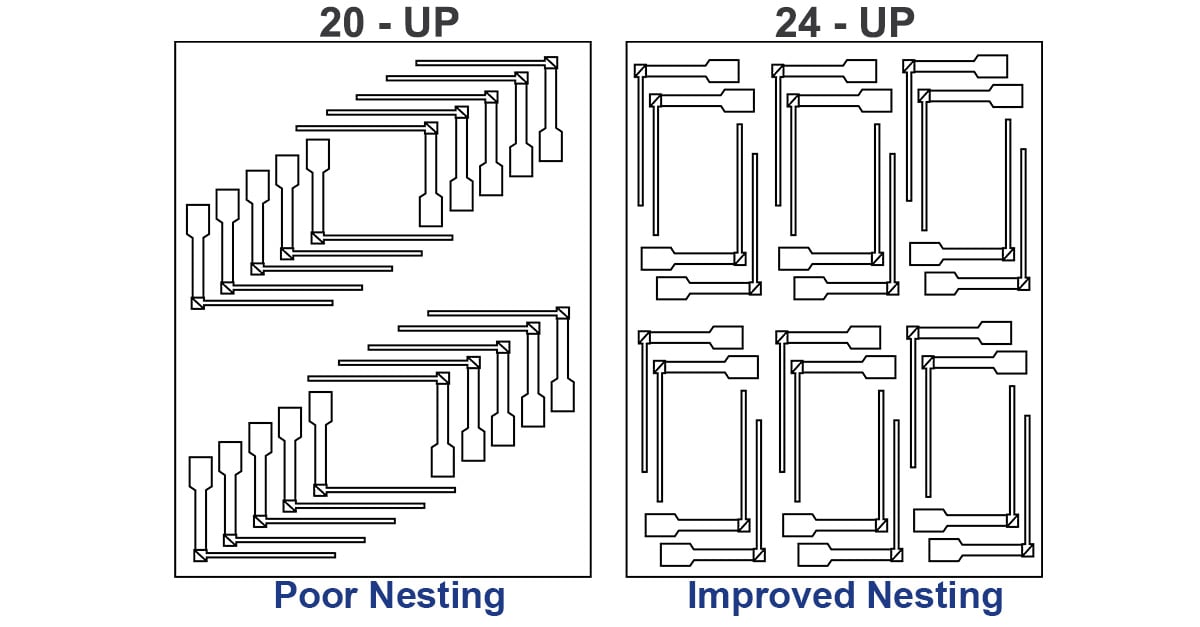
Cut PCB Waste & Cut Costs — Smart Nesting Strategies for Flex & Rigid-Flex Designs
Optimizing how parts are arranged on a raw-material panel isn’t just a fabrication detail — it’s a m...
