 English

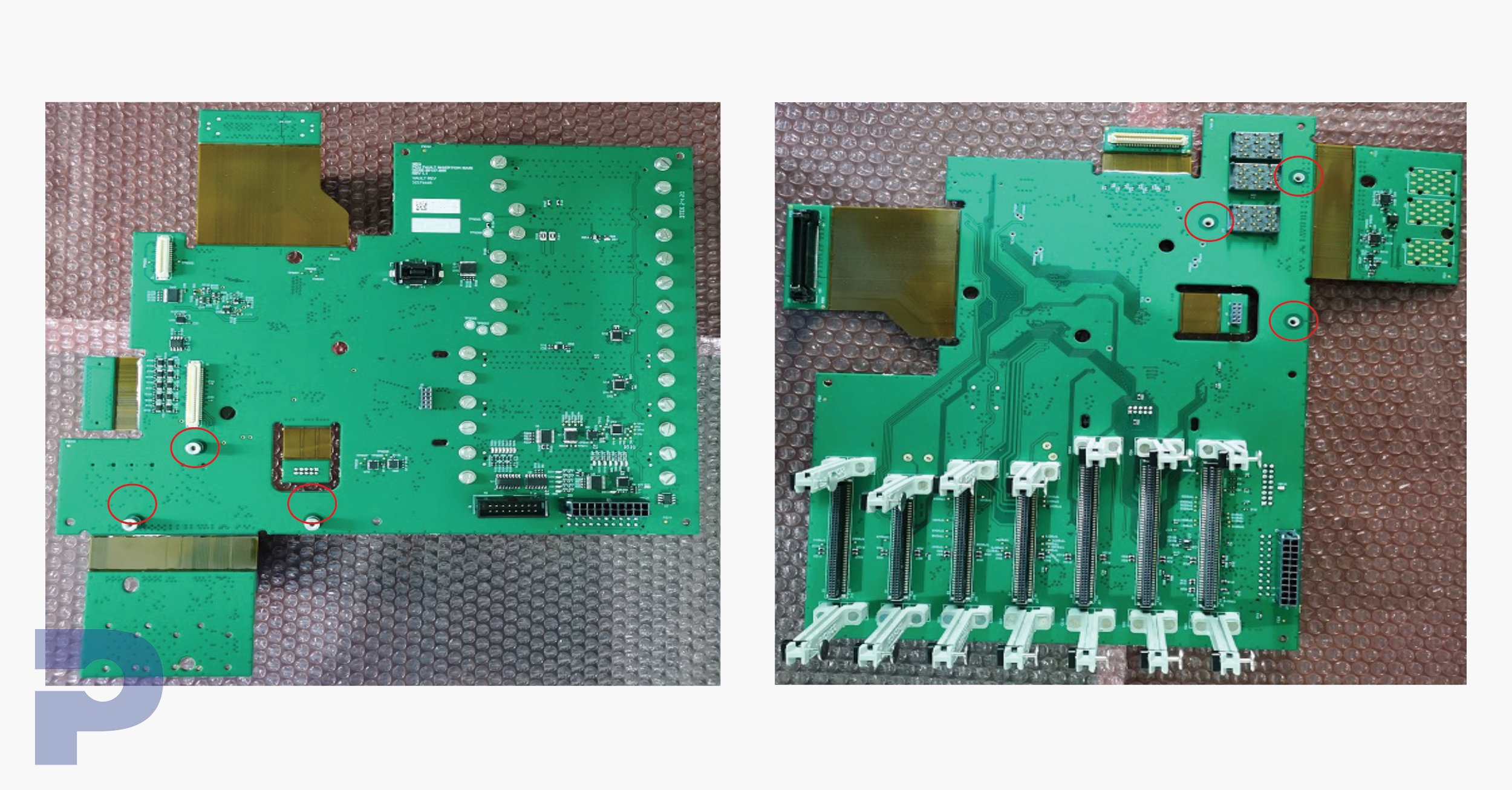
What Is Hole Riveting?
Hole riveting is a fastening process in which a small metal rivet is inserted through aligned holes in two or more materials. Once inserted, the rivet is compressed or flared on one side to permanently secure the components together.
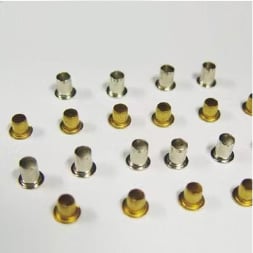
The rivet acts as a mechanical anchor that holds the materials tightly in place. In electronic assemblies, rivets are typically made from conductive metals such as copper, brass, nickel, and plated steel.
These materials provide both mechanical strength and electrical conductivity depending on the application.
Unlike adhesives or soldering alone, riveting provides a physical mechanical lock that resists pull forces, vibration, and repeated movement.
How Hole Riveting Is Used in Circuit Assemblies
Hole riveting is commonly used in electronic assemblies where additional mechanical support is required around connection points.
• Flex Circuit Terminations
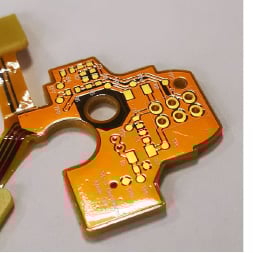
Flexible circuits often connect to external wires, connectors, or terminals. Rivets can reinforce these termination points, preventing copper pads from tearing or lifting during use.
• Stiffener Attachments
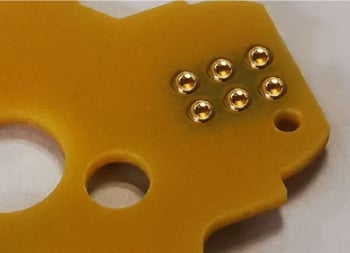
Flex circuits frequently use polyimide or FR-4 stiffeners to reinforce certain areas of the circuit. Riveting can secure these stiffeners in place and improve mechanical stability.
• Terminal and Contact Mounting
In some designs, metal terminals are attached directly to a circuit using rivets. The rivet secures the terminal while also helping maintain electrical contact.
• Grounding Connections
Rivets may also be used to create grounding points by mechanically attaching conductive elements to a circuit or chassis.
• Structural Mounting
In assemblies where the circuit must be mounted to a housing or structural component, rivets can provide strong mechanical attachment without stressing the copper conductors.
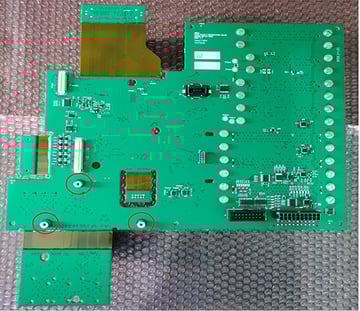
Need a more durable circuit assembly?
Contact PICA to see how hole riveting can reinforce critical electrical and mechanical connections.
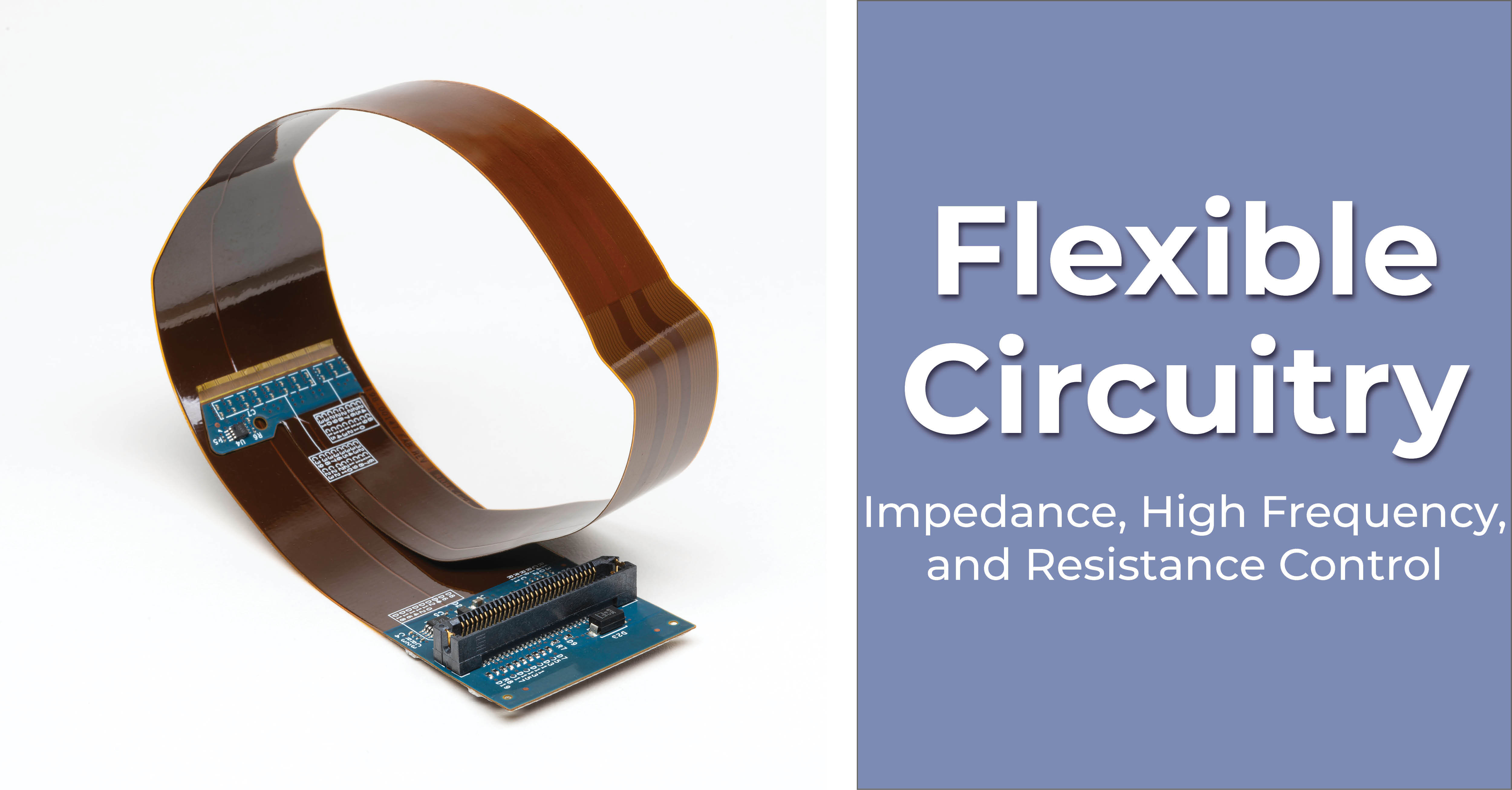
The Hole Riveting Process
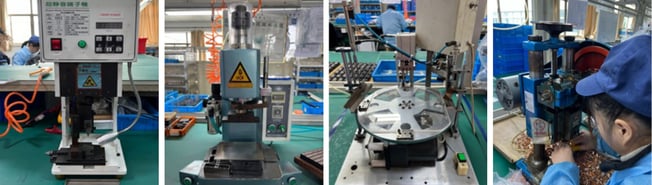
The hole riveting process in electronics manufacturing typically involves several key steps.
• Hole Preparation
Holes are drilled, punched, or laser cut in the circuit substrate and any additional materials that will be joined.
• Rivet Insertion
A metal rivet is placed through the aligned holes of the components being joined.
• Rivet Forming
Specialized riveting tools compress or flare the end of the rivet, creating a permanent mechanical fastener that locks the materials together.
• Inspection
The completed rivet joint is inspected to ensure proper compression, alignment, and mechanical strength.
Benefits of Hole Riveting in Circuit Design
• Strong Mechanical Reinforcement
Rivets distribute mechanical loads across a larger area, reducing stress on delicate copper pads and thin substrates.
• Increased Durability
Because rivets create a permanent mechanical bond, they help assemblies withstand vibration, handling, and environmental stress.
• Reliable Electrical Contact
When conductive rivets are used, the rivet itself can serve as part of the electrical pathway, supporting stable electrical connections.
• Compatibility with Multiple Materials
Hole riveting can join different materials together, including flexible circuits, rigid PCBs, metal terminals, stiffeners, and mechanical housings.
• Simple and Cost-Effective Process
Compared with some bonding or welding methods, riveting is relatively simple and can be performed quickly in high-volume production environments.
When Hole Riveting Is Typically Used
Hole riveting is particularly useful when assemblies require extra mechanical reinforcement beyond what solder joints or adhesives alone can provide.
Common use cases include:
• Flex circuits connected to mechanical terminals
• Assemblies exposed to vibration or movement
• Electrical contacts that experience frequent insertion and removal
• Designs requiring strong grounding connections
• Circuits mounted to structural components or housings
In these situations, riveting provides additional mechanical security without significantly increasing assembly complexity.
Conclusion
As electronic products continue to integrate mechanical and electrical systems more closely, ensuring strong and reliable connections becomes increasingly important.
Hole riveting provides a simple but highly effective method for reinforcing circuit assemblies, improving durability, and supporting reliable electrical interfaces.
When used correctly, riveted connections can significantly extend the lifespan and performance of electronic assemblies operating in demanding environments.